eSIM vs Physical SIM Turkey 2025: A Simple Guide for Travelers
noviembre 28, 2025
Peace on Putin’s Terms: Why Russia Demands Ukraine Withdraw from Claimed Lands
noviembre 30, 2025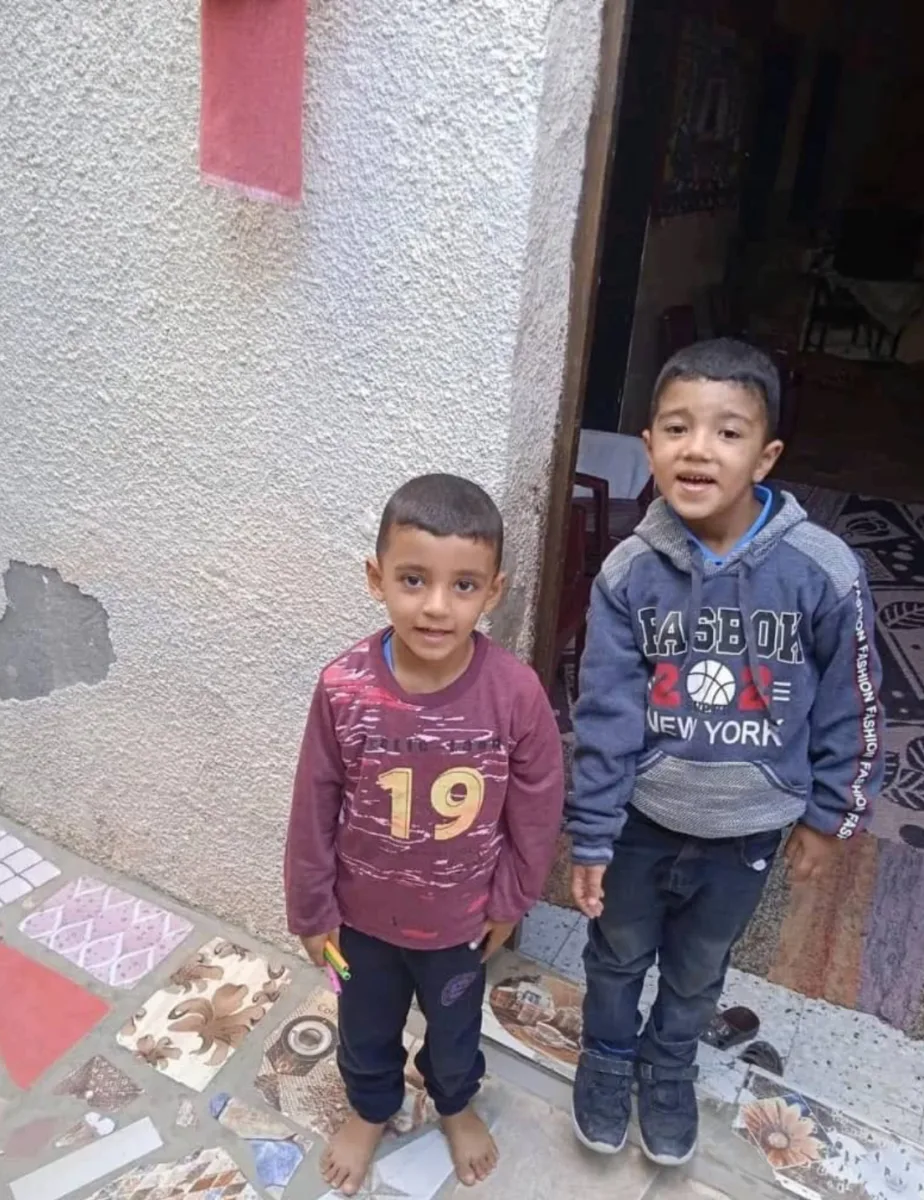
Khan Younis, Gaza Strip — November 29, 2025, 8:45 a.m. local time
A low hum pierced the dawn east of Khan Younis, where the Abu Assi family home clings to the edge of a devastated landscape. Tamer Abu Assi, a father immobilized by shrapnel—platinum plates fused to his legs—sent his two young sons to gather firewood. The October ceasefire had promised fragile relief: phased Israeli withdrawals, 500 aid trucks daily, and a “yellow line” buffer zone meant to keep troops at a distance. But seven weeks later, that line feels more like a tripwire than a shield.
At 8:30 a.m., as Jum’a (11) and Fadi (8) bent to collect sticks near al-Farabi School—now a shelter for displaced families—a drone missile cut through the air. The blast scattered debris and lives. By 9 a.m., medics at Nasser Hospital zipped two small body bags, confirming shrapnel wounds from an Israeli strike.

Two boys scavenge for firewood among the ruins of Khan Younis in November 2025. The image illustrates the dire humanitarian conditions and the fragile ceasefire environment described in reports on the Gaza conflict, where basic necessities require venturing into dangerous buffer zones.
Their uncle, Mohamed Abu Assi, arrived frantic: “They are children… what did they do? They do not have missiles or bombs.” That afternoon, hundreds joined the funeral procession under heavy winter clouds, wailing over the tiny coffins draped in Palestinian flags.
This is not just another number in Gaza’s staggering toll—now above 70,000 deaths since October 2023, according to Gaza’s Health Ministry. It marks another rupture in a truce already strained by hundreds of reported Israeli violations, including sniper fire and artillery that killed dozens just last week. The Abu Assi brothers are now part of a widening humanitarian crisis: UNICEF warns of surging malnutrition and disease among Gaza’s 1.9 million displaced, with aid still bottlenecked at checkpoints.
The Israeli Account: A Line Crossed, a Threat Neutralized
From Tel Aviv’s military briefings, the narrative reverses. The Israel Defense Forces (IDF) described the boys not as foragers, but as “two suspects” who breached the yellow line—a 1-km buffer defined in the ceasefire to prevent Hamas incursions. Troops from the Kfir Brigade, patrolling the zone, reportedly saw figures “conducting suspicious activities” and approaching their positions, posing an “immediate threat.” The drone fired to “remove the threat,” according to the statement—ages were not mentioned until reporters pressed for details.
The army has long treated the buffer zone as a lethal enforcement area. Since the truce began, more than 100 Palestinians have been killed while approaching the line, with Israel often justifying strikes as anti-terror measures. Khan Younis remains a hotspot: days earlier, IDF raids targeted alleged Hamas tunnels, and a separate strike that same morning hit a militant allegedly crossing the boundary.
Critics inside Israel—including analysts and Haaretz columnists—have questioned these classifications, noting past incidents where drone strikes killed unarmed civilians. In May 2025, nine children from a doctor’s family died in a similar “targeted” attack later placed under military review. The IDF routinely expresses regret for harm to uninvolved people, but the pattern persists: drones, cheap and precise, have claimed hundreds of lives in Gaza since 2023, often with uncertain intelligence behind the trigger.
Why This Happened: Fault Lines in a Fragile Ceasefire
Behind the blast lies an unfinished war. The October 10 truce—brokered in Doha after 13 months of violence—depended on mutual restraint: Hamas releasing hostages, Israel easing the blockade. But enforcement relies on vague boundaries and rapid-fire decisions.
Eastern Gaza, cratered from past offensives, blurs safe space from danger zone. Families like the Abu Assis, surviving in half-destroyed homes, are forced to scavenge amid rising hunger. The yellow line, intended to demilitarize, instead funnels desperate civilians into areas where Hamas tunnels lie beneath and Israeli surveillance hovers above.
On the Israeli side, trauma from the October 7 attacks remains raw: 1,200 killed, hostages still missing. Troops, stretched thin, err on the side of lethal caution. “You see movement, you assume the worst—better safe than sorry,” one Kfir soldier told local media.
Aid delays worsen everything. Only around 200 trucks entered Gaza yesterday—far short of needs—pushing children like Jum’a and Fadi into exposed areas in search of basics. International watchdogs have labeled many recent strikes as disproportionate, while Gaza’s civil defense has called this one a “war crime,” part of nearly 300 deaths recorded during the ceasefire period.
Media Framing: Al Jazeera’s Fury vs. The NY Times’ "Doubt"
Al Jazeera’s coverage is searing: “Gaza death toll surpasses 70,000 as Israel keeps up attacks despite truce,” placing the boys’ deaths inside a broader indictment of deliberate assaults on civilians. Graphic witness testimonies and close images frame the strike as part of Israel’s continued aggression.
The New York Times takes a more measured route: “Gazans Say Israeli Forces Killed Two Children, Amid Persistent Violence.” The article starts with the father’s heartbreak, balances it with the IDF’s account, and avoids explicit accusations, leaving readers to interpret the competing claims.
Together, the perspectives show a fractured truth. One centers Palestinian suffering; the other contextualizes Israeli security concerns. Neither offers simple villains, but both underscore the ceasefire’s fragility.
The Real Tragedy
The IDF’s drone, intended to neutralize threats, ended two young lives—an act shaped by fear, intelligence gaps, and a landscape where civilians and militants move through overlapping zones. Hamas’s underground networks contribute to the paranoia that drives such policies, putting Gazans in constant jeopardy.
The deeper failure is a ceasefire that leaves 2.3 million people in limbo, where a father’s simple request for firewood ends in graves. As the sun set on Khan Younis, Tamer Abu Assi, wheeled to the burial site, whispered: “They say there’s peace, but it’s just a lie.”
UN envoys call for investigations; mediators eye Doha. But for two brothers, the yellow line was no line at all — just the last boundary they ever crossed.