
Top 12 Beautiful Places to Visit in Turkey
diciembre 4, 2025
France Travel Guide: What to See, Where to Go, and How to Get Around
diciembre 6, 2025
Turkey, Istanbul can feel like three trips in one. One moment you are in front of a 1,500-year-old mosque, then you are in a loud bazaar, then you are drinking coffee on a modern rooftop. It is big, busy, and full of details. It helps to know the basics before you land, so you can spend more time enjoying and less time feeling lost.
This Turkey/Istanbul travel guide keeps things simple. Short sections, clear tips, and real examples from people who have actually walked these streets, used these taxis, and got lost in these bazaars.
Quick Istanbul Travel Guide: 11 Fast Tips
If you only read one part of this Istanbul travel guide, make it this:
1. Best time to visit
April–May or September–October for pleasant weather and fewer crowds.
2. How long to stay
Stay 3–4 full days to see the main sights without rushing. More days let you slow down and add extra neighborhoods.
3. Where to base yourself
| Area | Best for | Vibe |
|---|---|---|
| Sultanahmet | Big sights, short first trips | Historic, very touristy |
| Beyoğlu | Food, cafés, bars, rooftops | Lively, modern, crowded |
| Kadıköy | Local life, bars, street food on Asian side | Young, relaxed, local |
4. Money basics
Can I pay by card?
Yes. Most hotels, restaurants, and bigger shops take card in tourist areas.
Do I still need cash?
Yes. Keep some Turkish lira for street food, bazaars, taxis that do not take card, and small tips.
Where should I exchange?
Avoid changing much at the airport; compare exchange offices in the city, especially near the Grand Bazaar.
5. Transport and apps
Get an Istanbulkart for metro, tram, buses, and some ferries. Use Uber or BiTaksi instead of random street taxis when you can. Getir is handy for late-night snacks or small items delivered to your hotel.
6. Bazaars
Expect haggling in the Grand Bazaar and Spice Bazaar. Compare prices, take your time, and never feel forced to buy from the first shop you see.
7. Shoes
Bring comfortable walking shoes – there are many hills, stairs, and cobbled streets.
8. Food to try (classic bullets)
Döner kebab and lahmacun
Simit and street corn
Wet burgers (Islak burger)
Baklava and Turkish delight from a good patisserie
Turkish tea and Turkish coffee
9. Safety basics
Crowded areas are generally safe but busy. Watch your bag, keep valuables in front or in a closed bag, and be cautious with people who push too hard to sell you something.
10. Card vs cash
Use card for hotels and most restaurants, but always keep a small amount of lira in your pocket. It makes life easier for toilets, snacks, and tips.
11. Bridges and rush hour
Crossing bridges by car during rush hours (around 8–11 am and 5–6 pm) can take much longer than you think. Use ferries or metro when possible at these times.
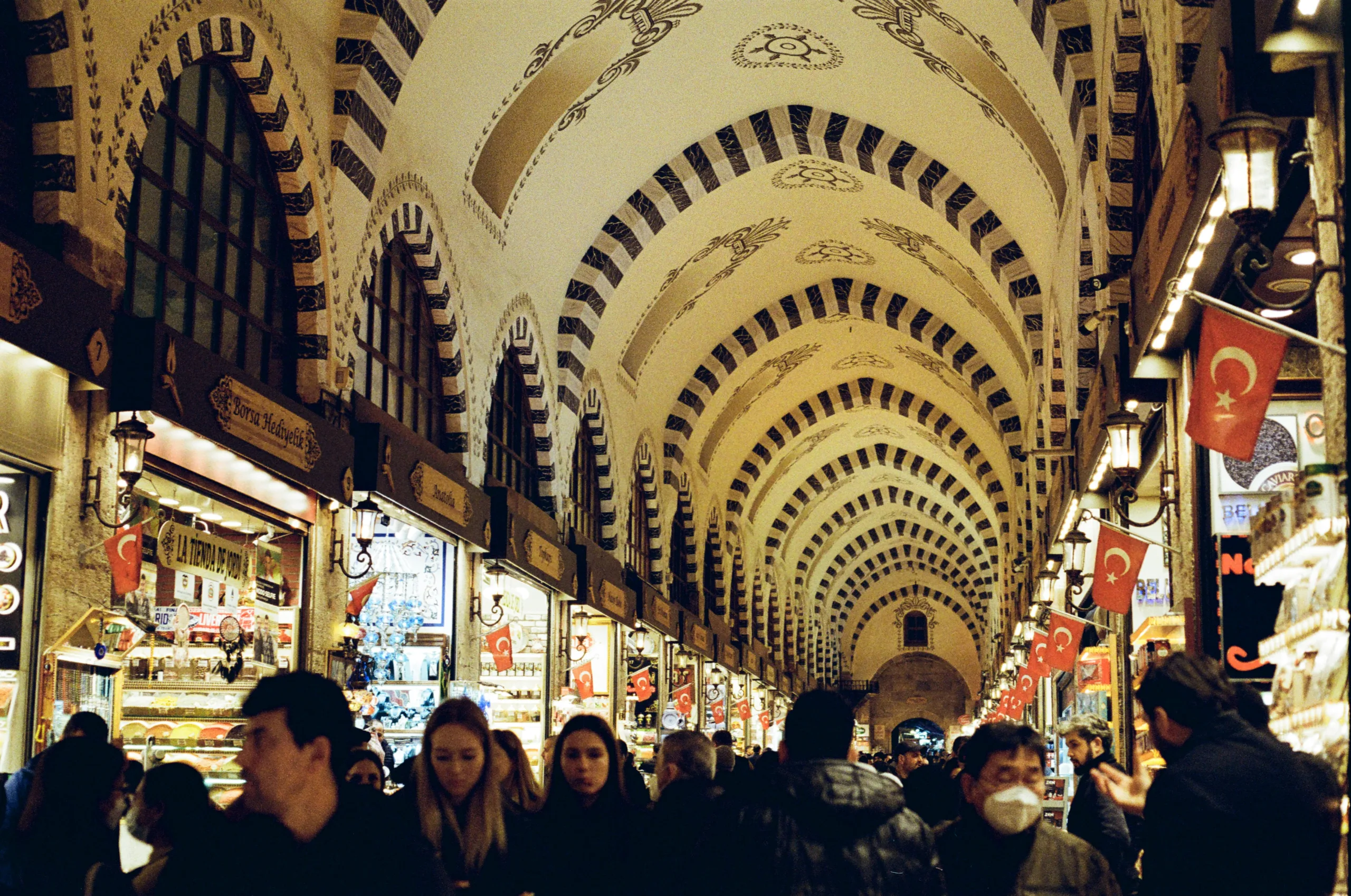
As one of the world's oldest and largest covered markets, exploring the vibrant and historic Grand Bazaar is an essential experience and a top highlight among places to visit in Turkey.
When to Visit Istanbul
Any good Istanbul travel guide will tell you that timing matters more than many people think.
April–May & September–October
These months are often the “sweet spot”. Days are mild, evenings are cool, and walking is comfortable. There are still tourists, but not as many as peak summer. Hotel choices are better than in winter, but book early for popular weekends.
June–August
Summer is warm, often in the mid-20s to low 30s °C (mid-70s to mid-80s °F). It can feel hot in the middle of the day, especially in the old city with stone and little shade. Evenings are long, and outdoor cafés and rooftops are very lively.
November–March
This is low season. It can be cold, rainy, and sometimes snowy. On the positive side, lines at major sights are shorter and hotel prices are often lower. If you do not mind wearing a coat and seeing a moodier side of the city, it can still be a good time.
Istanbul Neighborhoods: Where to Stay and Wander
A useful Istanbul travel guide thinks in areas, not only sights. Where you sleep changes how the city feels.
Sultanahmet (Historic Core, in Fatih)
This is the postcard image of Istanbul. Blue Mosque, Hagia Sophia, Basilica Cistern, and Topkapi Palace are all here or very close.
Vibe: Historic, touristy, full of landmarks and tour groups.
Good for: First-time visitors with 2–3 days, people who want to walk to the main sights.
Things to know: Evenings can be quieter than other areas. Many restaurants are tourist-oriented and a bit more expensive for the quality.
Beyoğlu (Taksim, Istiklal, Galata)
Beyoğlu is across the Golden Horn from Sultanahmet. It is the classic “city center” for locals, full of shops, bars, cafés, and music.
Vibe: Lively, modern, sometimes noisy at night, lots of food and nightlife.
Good for: People who like going out in the evening, café hopping, street music.
Things to know: Streets around Istiklal and Taksim can be crowded and steep. Pick a side street hotel if you prefer quieter nights.
Karaköy & Galata
Between Sultanahmet and Beyoğlu lies Karaköy and the area around Galata Tower.
Vibe: Hip cafés, street art, boutiques, and a mix of old and new.
Good for: Travelers who want style and atmosphere without being too far from the old city.
Things to know: Nice base if you like walking – you can walk or take the tram to many main areas.
Balat
Balat is a colorful neighborhood with steep cobbled streets, painted houses, and vintage shops.
Vibe: Quirky, photogenic, slower pace, with a lot of local life.
Good for: Half-day visits, photos, vintage shopping, and coffee stops.
Things to know: Good as a place to explore, not always the most practical base for a short stay.
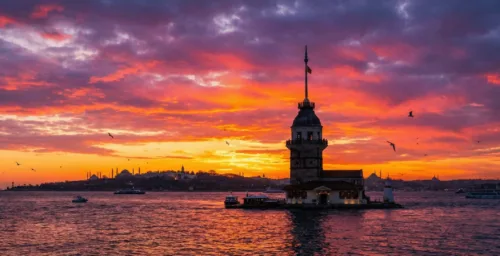
Watching the sunset behind the iconic Maiden's Tower from the shores of Üsküdar is an unforgettable experience and one of the most popular things to do on the Asian side of Istanbul.
Asian Side (Kadıköy & Üsküdar)
Many visitors stay only on the European side, but the Asian side is worth at least one day.
Kadıköy:
Vibe: Young, local, full of bars, markets, and eateries.
Good for: Food lovers, café people, those who want a less touristy experience.
Üsküdar:
Vibe: More traditional, calm sea views, beautiful mosques along the water.
Good for: Evening walks, sunset views, and a quieter look at daily life.
What to See and Do: Classic Istanbul Highlights
This Istanbul travel guide groups the main sights into simple sets so you can plan your days by area.
Historic Core (Sultanahmet Area)
These are all close together, so you can see most in one or two days.
Hagia Sophia
A stunning building with 1,500 years of history as church and mosque. Look up at the huge dome, the calligraphy plaques, and the mix of Christian mosaics and Islamic features.
Blue Mosque (Sultanahmet Camii)
Famous for its blue tiles and six minarets. It is still an active mosque, so check visiting times and be ready to remove your shoes and dress modestly.
Basilica Cistern
An underground cistern with columns, soft orange lights, and a quiet, almost eerie atmosphere. Even if you have never read “Inferno”, it is worth a walk.
Topkapi Palace
A large complex that used to be home to Ottoman sultans. Expect courtyards, pavilions, a harem section (extra ticket), and views over the Bosphorus.
Mosques and Viewpoints
Süleymaniye Mosque
On a hill above the Golden Horn. Less crowded than the Blue Mosque, but just as beautiful. The view from the area around it is great.
Ortaköy Mosque
A small mosque right by the water, with the Bosphorus Bridge behind it. Good spot for photos and a walk by the sea.
Galata Tower
A medieval stone tower with a viewing platform. The street below is filled with cafés and shops. Go early in the morning to avoid lines.
Bazaars and Markets
Grand Bazaar
One of the world’s oldest and largest covered markets, with thousands of stalls and many entrances. Easy to get lost. Expect to haggle. Many stalls sell similar items, so compare first before buying.
Spice Bazaar (Egyptian Bazaar)
Smaller and easier to manage. Stalls mainly sell spices, teas, sweets, and dried fruits. It feels a bit more focused than the Grand Bazaar.
Tip:
What do I do when sellers are pushy?
In both bazaars, sellers will call out to you and may be pushy. A simple “no, thank you” and continuing to walk is enough if you are not interested.
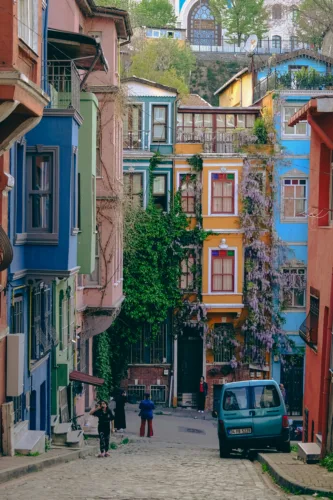
Colorful Streets and Rooftops
Balat
Walk past the famous colorful houses on Kiremit Street, stop at a café, buy a small print or poster. Great for photos.
Umbrella Street in Karaköy
A narrow street covered in hanging umbrellas, full of small cafés below.
Rooftops
Istanbul’s rooftops are a big part of its image. Some spots offer photo sessions with carpets, tea sets, and views of Hagia Sophia and the Blue Mosque. Others, like certain hotel and restaurant terraces, are simply good for breakfast or drinks with a view.
Bosphorus and Water
Ferry rides
Take a public ferry from Eminönü or Karaköy to Kadıköy or Üsküdar. It is cheap, scenic, and gives you a feel for the city from the water.
Bosphorus cruise
Short tourist cruises go up and down the Bosphorus, passing palaces like Dolmabahçe and Beylerbeyi and neighborhoods along the shore.
Getting Around Istanbul
For any Istanbul travel guide, transport is a key chapter, because the city is spread out.
Walking
In Sultanahmet, most major sights are within walking distance of each other. Streets can be uneven and hilly, so good shoes really matter. In Beyoğlu and Galata, expect slopes and stairs.
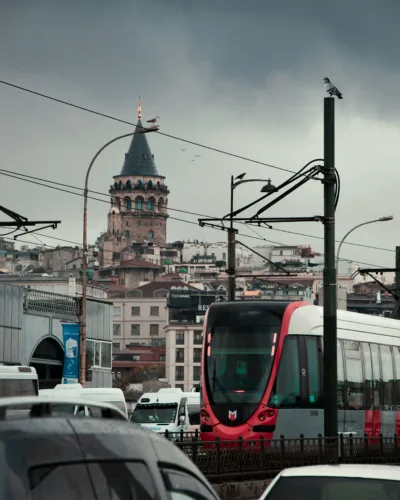
Experiencing the diverse Istanbul transport network, from iconic Bosphorus ferries to bustling trams, is an essential and enjoyable part of visiting the city.
Public Transport
Istanbulkart:
A rechargeable card used on metro, trams, buses, some ferries, and funiculars. You can buy and top it up at machines in many stations.
Metro & Trams:
The tram line (T1) connects tourist areas like Sultanahmet, Eminönü, Karaköy, and beyond.
The metro is useful for going to more local parts of the city and some shopping areas.
Ferries:
Ferries between the European and Asian sides are part of daily life. They are cheap, frequent, and offer great views.
Taxis and Ride Apps
Taxi issues are one of the most common complaints from visitors.
Basic rules:
Use apps: Use Uber o BiTaksi where possible. These apps call standard yellow taxis but show your route and price estimate.
Meter on: Always check that the meter is on. If the driver refuses to use it, get out and take another taxi.
Watch the route: Watch your route on Google Maps to avoid long, pointless loops.
Traffic stress: In heavy traffic, some drivers may try to drop you early or refuse certain routes. Stay calm and just find another taxi if needed.
Money, Costs, and Exchange
This Istanbul travel guide is not about exact numbers, since prices change, but you should know the basics.
Currency: Turkish Lira (TRY).
Cards: Most places in tourist areas accept credit and debit cards. Still, keep some cash for street food, small shops, and tips.
Exchange:
Avoid changing large amounts at the airport; rates are usually worse.
In the city, especially near the Grand Bazaar area, you can often get better rates.
Compare a few exchange offices before deciding.
Alcohol:
Often feels expensive compared to food. Cocktails, wine, and imported drinks can raise your bill quickly.
For daily costs, think in simple groups:
Food:
Street food and simple local spots are cheap.
Mid-range restaurants are still reasonable for many visitors.
Rooftops and trendy places will charge more, especially for drinks.
Transport:
Public transport is cheap; taxis cost more but still reasonable if the meter is used fairly.
Sight tickets:
Major sights like palaces and special museums have entrance fees that can add up over a few days.

Exploring the incredible variety of Istanbul food, from mouth-watering street snacks to traditional Turkish cuisine, is a culinary adventure that defines any trip to the city.
Safety and Common Small Scams
Istanbul is a big city that millions of visitors enjoy every year. Most trips are safe, but small issues happen, usually around money and taxis.
Pickpockets:
More likely in crowded areas, markets, and busy trams.
Keep your phone and wallet in front pockets or a bag that closes, not in open back pockets.
Pushy sellers:
In tourist areas and bazaars, people will try to pull you into restaurants and shops.
A simple “no, thank you” and walking on is enough. You do not owe anyone your time.
Taxi tricks:
Driver not using a meter or claiming the meter is broken.
Taking a very long route for no reason.
Saying they have no change at the end.
Using Uber or BiTaksi cuts most of these problems. If you must take a street taxi, check the meter and have some smaller bills ready.
Stay aware, but not afraid. Most people you meet will be helpful or simply going about their day.
FAQ: Istanbul Travel Guide for First-Time Visitors
How many days do I need in Istanbul?
Three to four full days is a good starting point for Istanbul. With this time, you can see the main sights in Sultanahmet, visit a couple of neighborhoods like Balat and Karaköy, and enjoy at least one ferry ride or Bosphorus cruise. With five or more days, you can move more slowly and add Asian side neighborhoods or extra day trips.
What is the best area to stay in Istanbul for a first visit?
For a short first trip, many people choose Sultanahmet or nearby for easy walking access to Hagia Sophia, the Blue Mosque, and Topkapi Palace. If you care more about nightlife, cafés, and a modern city feel, Beyoğlu (Taksim, Galata, Karaköy) is a better fit. You can also split your stay, a few nights in each area, if you have time.
Is Istanbul safe for tourists?
Istanbul is generally safe for tourists in main areas and around major sights. The most common issues are pickpockets in crowds and small taxi tricks, not violent crime. Keep your bag closed, use Uber or BiTaksi when possible, and follow normal big-city habits like avoiding dark, empty streets late at night.
Do I need cash in Istanbul, or can I pay by card?
You can pay by card in most hotels, restaurants, and larger shops in tourist areas. Still, it is smart to carry some Turkish lira for street food, bazaars, taxis that do not take cards, and small tips. Avoid changing large amounts at the airport and compare exchange offices in the city for better rates.
What is the best time of year to visit Istanbul?
The best months for many travelers are April, May, September, and October. In these months, temperatures are comfortable for walking, and crowds are easier to manage than in peak summer. Summer is still a good time if you do not mind heat and busy streets, while winter is cold but quieter and often cheaper.
A city as layered as Istanbul cannot fit into a single page, but a clear plan makes the first visit much easier. Take this Istanbul travel guide as a base, choose a few areas that match your style, and leave some time open to simply sit with a tea, watch the Bosphorus, and let the city show itself to you.