Navigating the Marrakech Souks: Your StrongeSIM Traveler's Guide
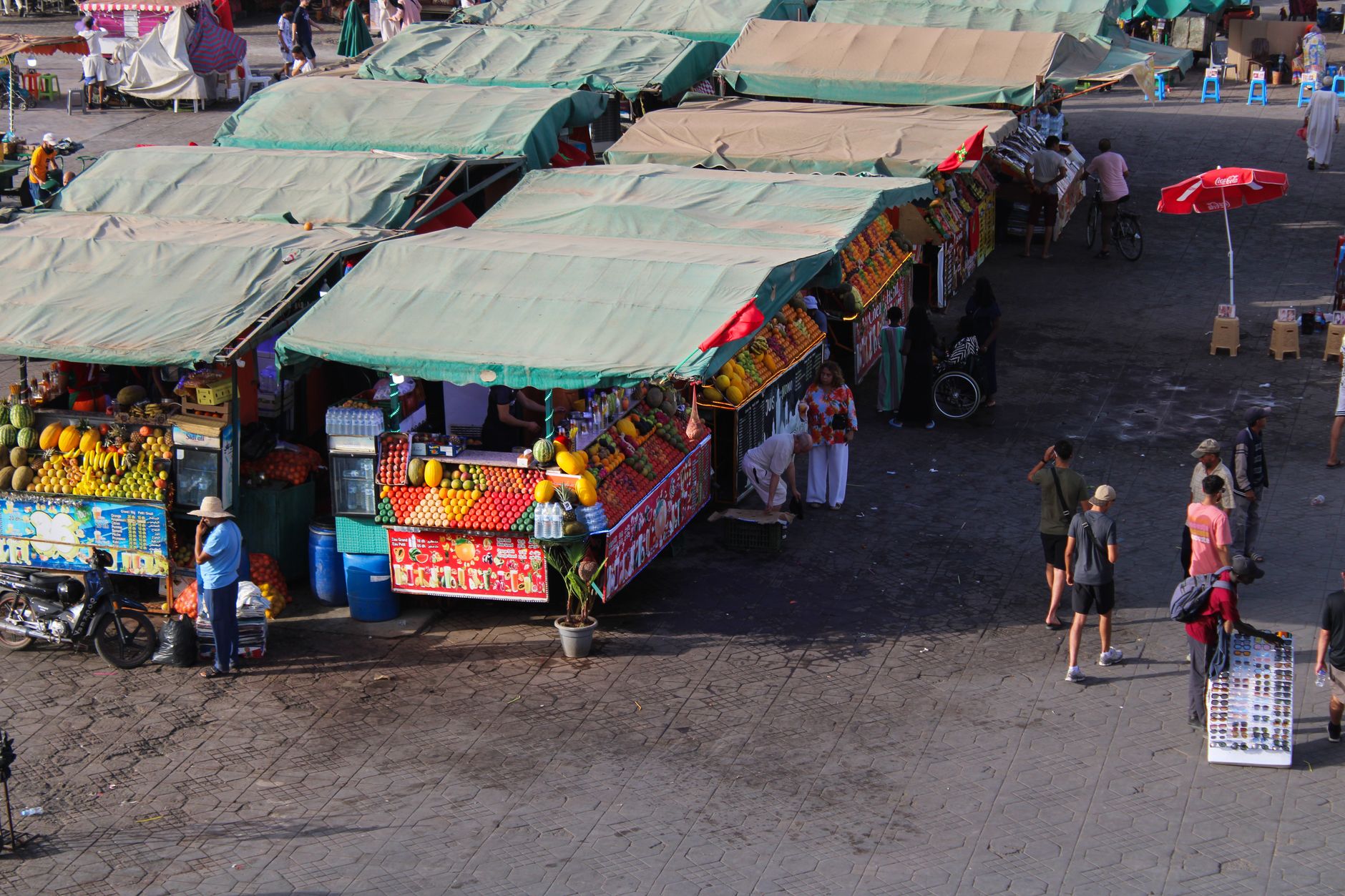
I still remember the first time I plunged headfirst into the vibrant chaos of the Marrakech souks. It was an assault on the senses – the dizzying scent of spices and leather, the melodic calls of vendors, the kaleidoscopic explosion of colors. More than just a market, the Marrakech souks are the beating heart of the Red City, a living testament to centuries of trade and culture.
And while they can feel overwhelming, I’ve learned that with a few insider tips and the right tools (like a reliable eSIM), navigating this labyrinth becomes not just manageable, but truly exhilarating. This guide, born from my own experiences, will help you unlock the magic of the Marrakech souks, haggle like a local, and discover treasures you’ll cherish long after you’ve left the medina.
Understanding the Medina's Layout and Your Compass
The sheer scale of the Marrakech souks can be daunting, but they're not an impenetrable maze. Think of Djemaa el-Fna, the main square, as your central compass point. Most of the main souk arteries branch off from the northern side of the square. While the alleys twist and turn, they generally lead you back towards this central hub. Don't be afraid to get a little lost – I remember getting delightfully lost myself near the Souk des Teinturiers, only to quickly pull up Google Maps on my phone, powered by my StrongeSIM's reliable connection, to pinpoint my exact location and find my way back to Djemaa el-Fna with ease. That's part of the adventure, but always know your general direction relative to the square.
Key Entry Points and Main Lanes of the Marrakech Souks
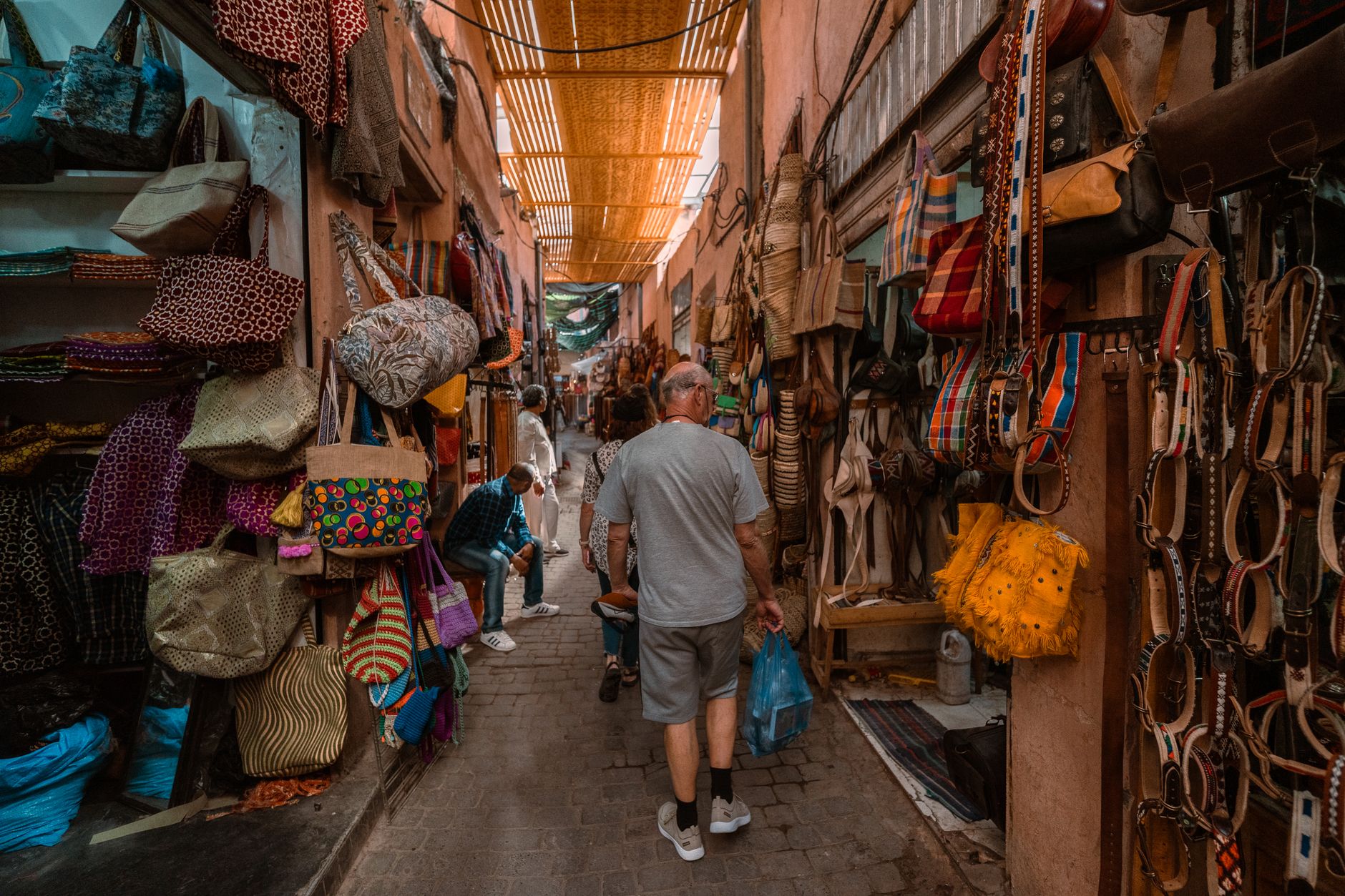
From Djemaa el-Fna, the main entry points funnel into distinct areas. Souk Semmarine is one of the widest and busiest, often your first encounter within the Marrakech souks, filled with ceramics, lanterns, and textiles. Deeper in, you'll find specialized souks: the Souk des Teinturiers (Dyers' Souk) with its colorful wool skeins drying overhead, the spice-filled Rahba Kedima square (also known as the 'Spice Square'), and the smaller lanes dedicated to leather, metalwork, and slippers (babouches).
Keep an eye out for signs, though they can be scarce. On my last trip, my StrongeSIM's reliable data connection allowed me to instantly use Google Translate to ask for directions to a specific spice stall near Rahba Kedima. I could also quickly load a photo of a particular lamp design on my phone, thanks to my StrongeSIM's consistent connection. It's truly invaluable for navigating the Marrakech souks without relying on spotty Wi-Fi.
The Art of Respectful Haggling in the Marrakech Souks
Haggling in the Marrakech souks is not a battle to be won, but a social exchange, a dance between buyer and seller. It's expected, part of the cultural fabric, and often quite enjoyable if approached with good humor and patience. The golden rule is to negotiate only for items you genuinely intend to buy. Starting the conversation, asking the price, and then walking away without any intention of purchasing is considered disrespectful.
Start Low, But Not Ridiculously Low
- A good starting point is often around 30-50% of the initial price offered, depending on the item and your perceived value. Don't insult the vendor with an absurdly low offer. For a medium-sized leather pouf, I've found vendors often start around 400 DH; a good opening offer is 150 DH, aiming to settle around 200-250 DH after a friendly chat.
Be Patient and Enjoy the Chat
- Vendors often offer tea; accept it if you have time. Building a small rapport can lead to a better price and a more pleasant interaction. Ask about the item's origin or craftsmanship.
Know Your Limit
- Decide what you're willing to pay before you start. Stick to it. If you can't reach an agreement, politely thank them and walk away. Sometimes, they'll call you back with a better offer.
Don't Show Too Much Enthusiasm
- If you fall in love with something, try not to show it too overtly. A poker face can be your friend.
What to Buy (and What to Skip) in the Marrakech Souks
The Marrakech souks offer an incredible array of goods. For genuinely local and high-quality items, look for:
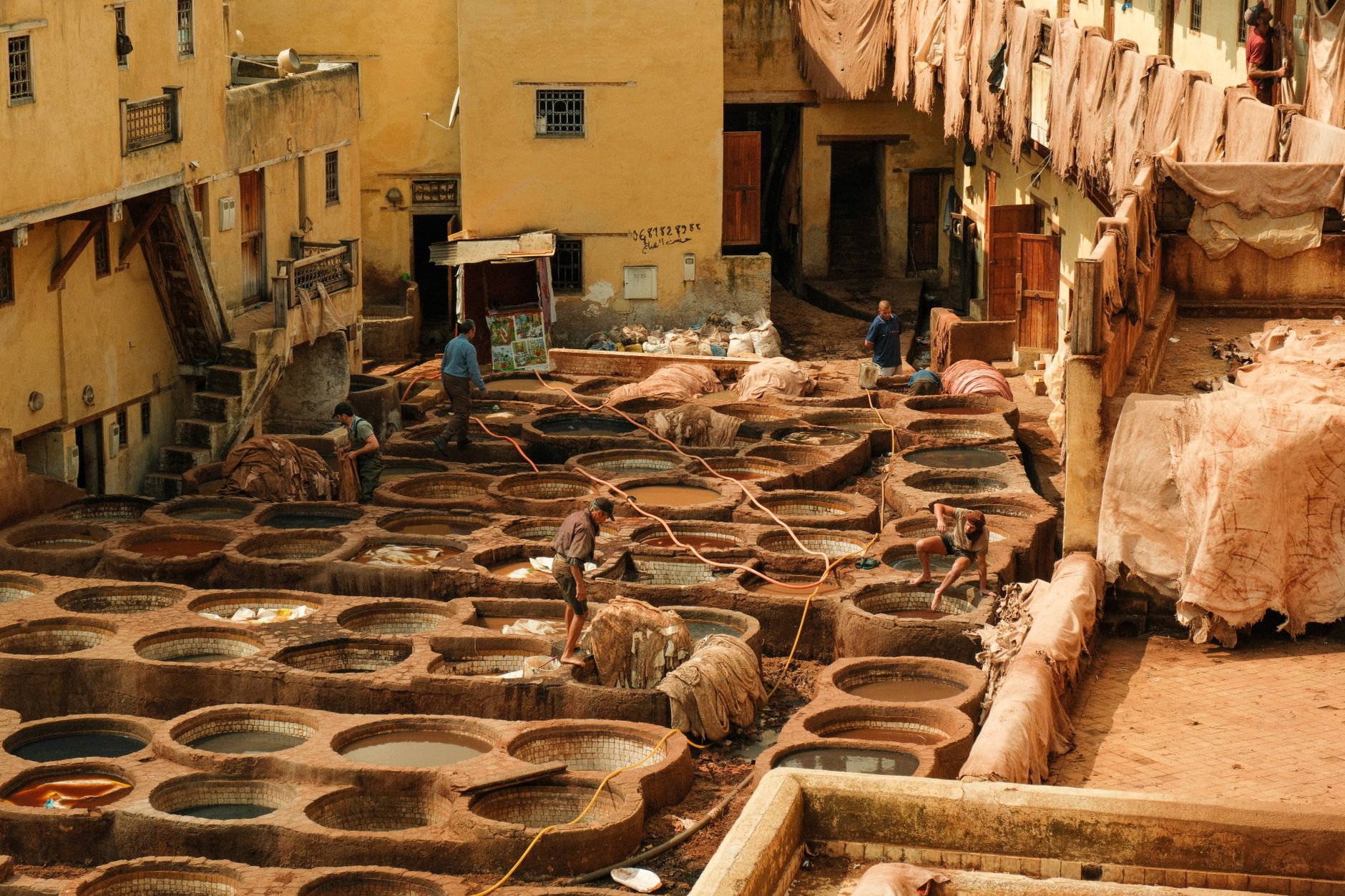
- Leather Goods: Babouches (slippers), bags, and poufs are often handmade in tanneries nearby. Look for double-stitched seams and supple, full-grain leather that doesn't feel overly stiff or plastic-like. The tanneries themselves are an experience, though be prepared for the smell and potential guides.
- Ceramics and Pottery: Vibrant tagines, bowls, and plates, particularly from Fes or Safi, are excellent buys. Tap the pottery gently; a dull thud can indicate a hidden crack, while a clear ring suggests good quality. Check for chips and cracks carefully.
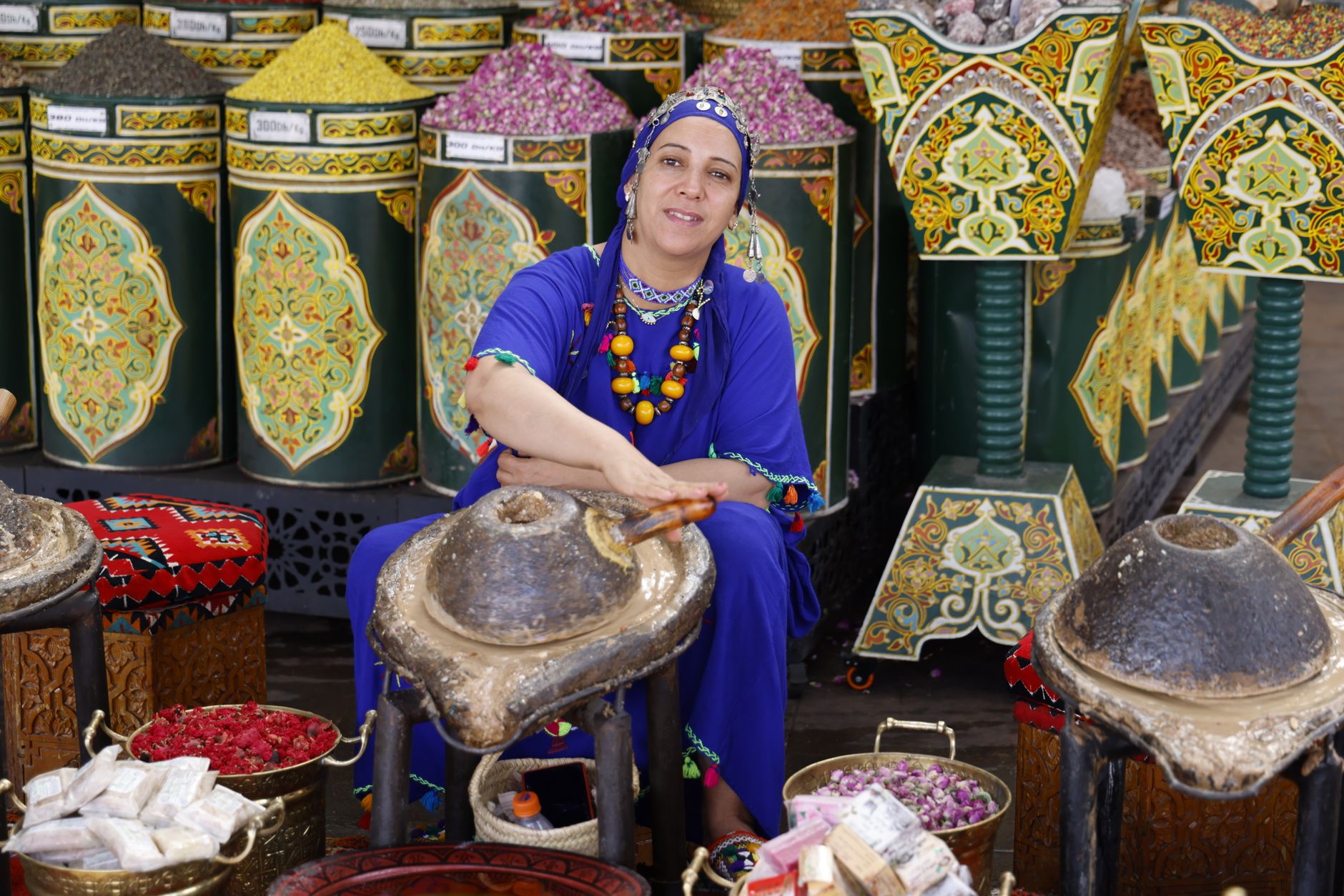
- Spices and Argan Oil: Buy spices from reputable stalls in Rahba Kedima. For argan oil, seek out women's cooperatives outside the medina or dedicated shops that can demonstrate its authenticity. Be wary of overly cheap argan oil, which may be diluted.
- Textiles: Handwoven rugs, blankets, and scarves. Moroccan rugs are famous; learn a little about the regional styles (Berber, Boucherouite, Kilim) before you buy. Don't be afraid to unroll them and inspect the weave.
- Metalwork and Lanterns: Intricately carved lamps, trays, and tea sets. Look for solid brass or copper over cheaper alloys; a quick tap should produce a clear, resonant sound, and the weight will feel substantial compared to lighter, tinny imitations. Genuine pieces often have intricate, hand-chased details.
Items to be more cautious about include mass-produced trinkets, 'designer' knock-offs, and anything that feels suspiciously cheap or appears identical across many stalls. These are often imported and not representative of Moroccan craftsmanship you find in the true Marrakech souks.
Dealing with Unofficial Guides in the Marrakech Souks
As you wander through the Marrakech souks, especially near the main square or tourist attractions, you'll likely encounter individuals keen to 'guide' you. They might tell you a street is closed, or that they know 'the best' shop. These are unofficial guides, and while some may genuinely be trying to help, their primary goal is usually to lead you to a specific shop where they receive a commission, or to demand payment for their 'service'.
The best approach is firm but polite refusal. A simple, "No, thank you, I know where I'm going," said with a confident stride, usually suffices. Avoid engaging in long conversations or explaining yourself. Making eye contact and acknowledging them politely, then moving on, is more effective than ignoring them completely, which can sometimes be seen as rude. If you genuinely want a guide for a deeper cultural or historical tour of the Marrakech souks, hire a licensed guide through your riad or a reputable tour company. They will have official badges.
Finding Serenity: Quieter Times and Hidden Gems of the Souks
To truly soak in the atmosphere of the Marrakech souks without the peak crowds, timing is everything. Early mornings, just as the stalls are opening (around 9:00 AM), offer a calmer, more authentic experience. Many vendors are setting up, and the light is beautiful for photography. The late afternoon, just before sunset, can also be magical as the lamps begin to glow, though it can get very busy as evening approaches.
Fridays, the day of prayer, can see some stalls close for a few hours around midday, which means fewer crowds. Most shops will reopen in the afternoon. If you're staying for a few days, try visiting the Marrakech souks at different times to get a feel for the changing pace.
Beyond the Main Lanes: Discovering Artisans
Venture off the widest paths. The narrower alleys often lead to small artisan workshops where you can see craftsmen at work, rather than just selling finished goods. These are the places to find truly unique pieces and connect directly with the makers. Look for small, unassuming doorways that might lead to a hidden courtyard or a tiny, specialized souk. The best finds are often a few turns away from the main tourist flow, offering a more intimate glimpse into the heart of the Marrakech souks.
Practical Tips for a Smooth Souk Experience
- Dress Modestly: While Marrakech is accustomed to tourists, dressing respectfully (shoulders and knees covered) is always appreciated and helps you blend in more comfortably while exploring the Marrakech souks.
- Carry Small Denominations: While larger shops accept cards, many smaller stalls prefer cash, and having small Moroccan Dirham notes makes transactions easier and less likely to involve a 'lack of change' situation.
- Stay Hydrated: Especially in warmer months, carry a water bottle. The souks can get hot and dry.
- Keep Valuables Secure: Like any busy market, pickpocketing can occur. Keep your wallet and phone in a secure, front pocket or a cross-body bag.
- Mind the Mopeds: The narrow alleys are shared with motorcycles and donkeys. Always be aware of your surroundings and move to the side when you hear a vehicle approaching.
- Check Official Information: For up-to-date travel advice and safety guidelines, always consult official government sources, like the UK Foreign, Commonwealth & Development Office or the US Department of State.
Navigating the Marrakech souks is an adventure in itself. With a bit of preparation, an open mind, and a respectful attitude, you'll find it to be one of the most memorable parts of your visit to this incredible city.
Before you embark on your own journey, browse StrongeSIM's Morocco eSIM plans to ensure seamless connectivity throughout your adventure. Staying connected means easier navigation, instant translation, and sharing those unforgettable moments as they happen.
So go ahead, embrace the beautiful chaos, and with these tips (and a reliable StrongeSIM in your pocket), you'll navigate the Marrakech souks like a seasoned explorer, bringing home not just souvenirs, but unforgettable stories.
Frequently asked questions
Read next
 Mastering Your Dual SIM Settings: No More Roaming SurprisesNo more accidental roaming! This guide, built on real-world travel, helps you master your dual SIM settings to ensure your calls, texts, and data always use the correct line, saving you stress and money.
 Istanbul Food Guide: Eat Like a Local in Key NeighborhoodsReady to truly taste Istanbul? This Istanbul food guide takes you beyond the tourist traps, revealing the city's culinary heart, neighborhood by neighborhood, with insider tips.
 Airalo vs Holafly vs StrongeSIM (2026 Comparison)Airalo vs Holafly is the classic travel eSIM matchup. Here is how they differ, and where StrongeSIM fits as a third option.
Heading somewhere specific? Compare prepaid and unlimited plans across 197 eSIM destinations, or read the eSIM setup guide before you fly.