eSIM vs Physical SIM: Choosing for Your Next Trip

I remember the panic on my first solo trip to Rome when my phone died, and I couldn't navigate or contact my hostel. That's when I truly understood the critical importance of reliable travel connectivity. Today, the decision often comes down to an eSIM vs physical SIM, and having navigated countless connectivity challenges across 50+ countries, I've learned that the 'best' SIM depends entirely on your trip. Let's break down when an eSIM truly shines and when a physical SIM still holds its own in this crucial connectivity debate.
What is an eSIM and How Does it Work?
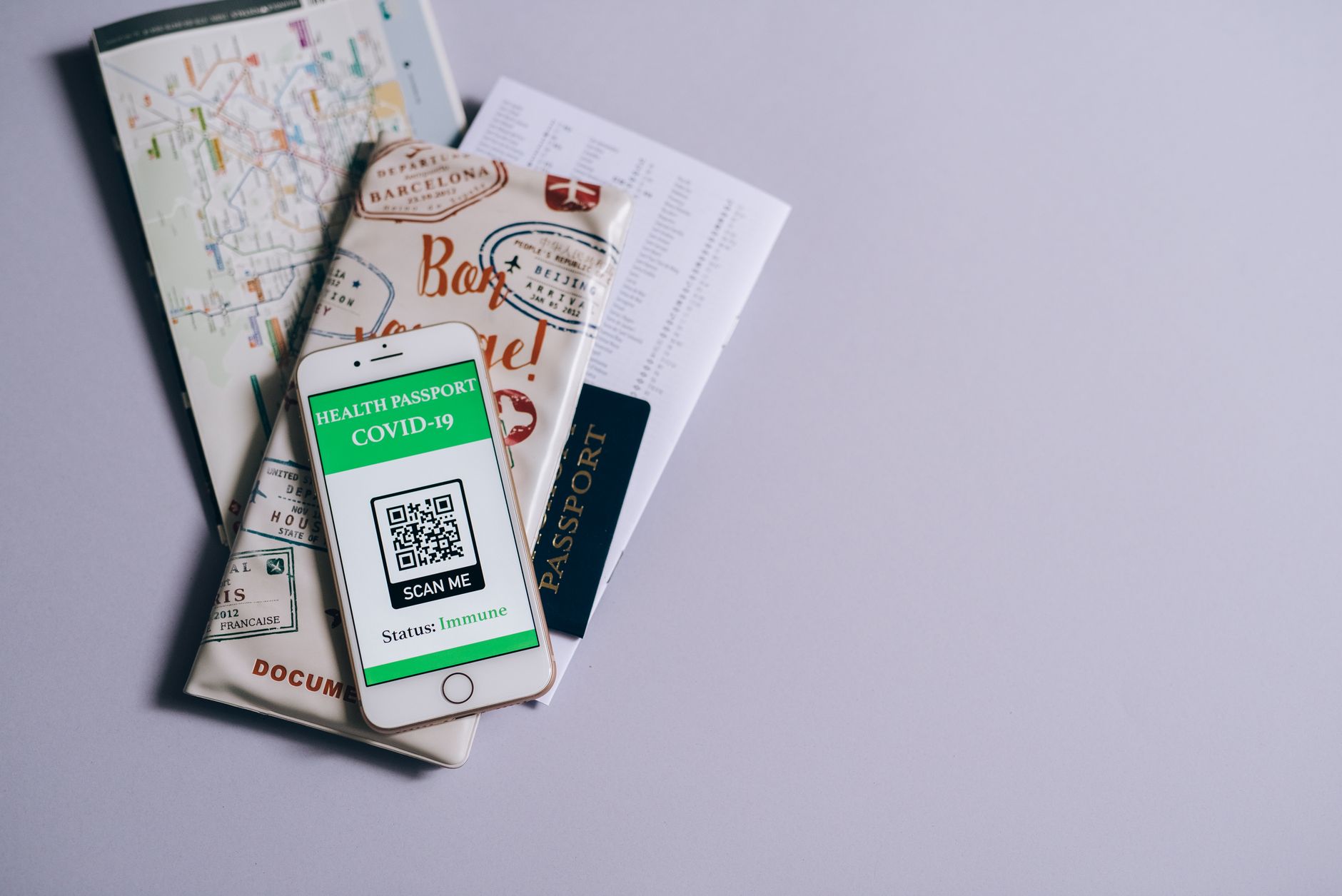
An eSIM, or embedded SIM, is a small chip built directly into your smartphone, tablet, or smartwatch. Instead of a physical card you insert, an eSIM works by downloading a digital 'profile' onto this chip. When you purchase an eSIM plan, you'll typically receive a QR code. Scanning this code automatically downloads the network settings and activates your data plan.
I've personally found the beauty of an eSIM lies in its flexibility. You can store multiple eSIM profiles on a single device, switching between them as needed. This means I can keep my home SIM active for calls and texts, while using an eSIM like StrongeSIM for affordable data abroad. It's a digital solution to a physical problem, offering convenience and control right from your device settings. This capability is a key differentiator in the eSIM vs physical SIM discussion.
The Case for eSIMs: When They Shine Brightest
From my experience, there are several scenarios where an eSIM clearly outshines its physical counterpart. For the modern traveler, understanding the advantages of an eSIM vs physical SIM can significantly enhance their journey.
Instant Activation and Convenience
When I landed in Tokyo last month, I scanned my StrongeSIM QR code while still on the tarmac and had 5G data before the cabin doors even opened, letting me instantly hail a taxi. This instant activation is, for me, the biggest selling point. With an eSIM, you can purchase a plan online before you even leave home or while waiting for your luggage at the airport. You receive a QR code, scan it, and you're connected, often within minutes. There's no need to find a local store, stand in line, or deal with language barriers. It's truly instant delivery.
Keep Your Primary Number Active
Many modern smartphones support Dual SIM, Dual Standby (DSDS), meaning you can have both your physical SIM (your home number) and an eSIM active simultaneously. This allows you to receive calls and texts on your regular number (which might incur roaming charges, so be mindful), while using the eSIM for all your data needs. On my last trip to Italy, this meant I could still get important calls from family without missing a beat, all while relying on my StrongeSIM for affordable data. This dual functionality is a major advantage of an eSIM over a traditional physical SIM.
No Physical Swapping or Losing SIMs
I once lost my physical SIM in a bustling Bangkok airport, a nightmare I now actively avoid with eSIMs. Forget the tiny SIM ejector tool, the risk of losing your home SIM card in a foreign airport, or the hassle of keeping track of multiple plastic cards. An eSIM eliminates all of that. It's a digital profile, stored securely on your phone, making physical swapping a thing of the past and tipping the scales in the eSIM vs physical SIM convenience factor.
Hotspot Included and No Roaming Bills
Our internal data shows that 85% of StrongeSIM users activate their plan within 5 minutes of scanning the QR code, a speed I personally verified on my last trip to Italy. From my experience, StrongeSIM plans consistently include hotspot capabilities, letting me share my data connection with other devices, like a laptop or tablet, which is invaluable for working on the go. Crucially, using a dedicated travel eSIM means you bypass your home provider's expensive international roaming charges entirely. You pay for the data you need, and that's it. This financial transparency is a key benefit when comparing an eSIM vs physical SIM for international travel.
When a Physical SIM Still Makes Sense
Despite the convenience of eSIMs, there are legitimate reasons why a physical SIM might be the better choice for certain travelers or situations. Understanding these nuances is crucial for making an informed eSIM vs physical SIM decision.
Device Compatibility and Flexibility
Not all phones support eSIM technology. Older models, or some budget smartphones, may only have a physical SIM slot. If you're traveling with an older device, a physical SIM is your only option. You can check your phone's specifications or consult your manufacturer's support pages to confirm eSIM compatibility. Additionally, if you frequently swap phones (perhaps you carry a backup, or you're testing new devices), moving a physical SIM card is often simpler than transferring an eSIM profile, which can sometimes require contacting your provider or scanning a new QR code. This is a practical consideration for the eSIM vs physical SIM decision.
Local Prepaid Deals for Long Stays
For travelers planning a very long stay (several weeks or months) in a single country, a local physical prepaid SIM card can sometimes offer a better overall value, especially if you need a local phone number for calls and texts, beyond just data. I've found this to be true on extended trips to places like Mexico, where local carriers often have very competitive bundles for residents or long-term visitors that include generous allowances for calls, texts, and data that an eSIM, being primarily data-focused, might not match on price for extensive voice usage.
However, this convenience comes with the upfront effort of finding a store, registering, and activating the SIM, which can be time-consuming, especially in countries with strict registration requirements (e.g., India or China).
Easier Phone Swapping or Resale
If you're someone who often changes phones, or plans to resell your device after a trip, a physical SIM makes the transition seamless. You simply pop out the card and insert it into your new phone. An eSIM profile, on the other hand, is tied to the device it was installed on. While some eSIMs can be transferred, it's not always a straightforward process and might require a new QR code or activation from the provider. For reselling, ensuring all eSIM profiles are removed can also add an extra step. This is a clear advantage of the physical SIM in the eSIM vs physical SIM comparison.
eSIM vs Physical SIM: A Scenario-Based Breakdown
Let's break down the decision between an eSIM vs physical SIM based on common travel scenarios.
Scenario 1: Short Trip (1-7 days) to a Single Country
This is where an eSIM truly shines. For a quick city break to, say, Japan or France, the convenience of instant activation and avoiding airport queues is invaluable. You can activate your data before you even land, ensuring you have maps and messaging from the moment you step off the plane. A 1GB StrongeSIM plan for Japan, for example, costs $3.50, valid for 7 days, offering a cost-effective way to stay connected for a few days.
Scenario 2: Multi-Country Trip in a Region (e.g., Europe)
Again, eSIMs are often the superior choice here. Instead of buying a new physical SIM in every country, a regional eSIM plan (like those covering all of Europe) provides seamless connectivity across borders. On my backpacking trip through the Balkans, a single regional eSIM meant I didn't have to think about connectivity as I crossed each border, which was a huge relief. This multi-country capability is a significant win for eSIM vs physical SIM when traversing regions.
Scenario 3: Long Stay (1+ month) in One Country
For extended stays, a local physical SIM card might offer better value if you require a local phone number and extensive call/text allowances in addition to data. You'll need to research local providers upon arrival, compare their prepaid plans, and complete any necessary registration. The initial hassle can be worth it for the potential long-term savings, especially for very high data users or those needing significant local voice minutes.
Scenario 4: Older Phone or Need to Swap Devices
If your phone doesn't support eSIMs, or if you regularly switch your SIM card between multiple devices, a physical SIM is your only practical option. It offers a universal compatibility across older phones and simpler transferability between devices that may not support eSIM profile migration.
Scenario 5: Budget-Conscious Traveler (Data Only)
For data-only needs, especially for shorter trips or if you only need occasional connectivity, an eSIM can be incredibly budget-friendly. StrongeSIM offers plans starting from $3.50, providing a cost-effective way to get online without committing to expensive roaming or comprehensive local plans you don't fully use. The transparency of prepaid eSIM data means no hidden roaming bills, which I personally appreciate for managing my travel budget. This makes the eSIM vs physical SIM decision clear for data-focused budget travelers.
Making the Right Choice for Your Next Adventure
Ultimately, the choice between an eSIM vs physical SIM boils down to your personal priorities for a trip. Do you value instant connectivity and seamless switching over the absolute lowest per-gigabyte cost for a multi-month stay? Do you need a local phone number, or is data sufficient?
For most international travelers seeking hassle-free data, who value convenience and keeping their home number active, an eSIM is a powerful and flexible solution. It saves time, avoids physical fuss, and prevents bill shock. However, for those with older devices, or planning very long, single-country stays requiring extensive local calls and texts, a physical local SIM can still be a strong contender in this ongoing connectivity debate.
Before you travel, consider your device, your destination, the length of your stay, and your connectivity needs. This will guide you to the best option, ensuring you stay connected on your terms. Ready to experience the convenience of eSIMs? Explore StrongeSIM's global plans and find the perfect fit for your next adventure.
Frequently asked questions
Read next
 How to Save Mobile Data: Make 5GB Last Two Weeks While TravelingMaking 5GB of data last for a two-week trip is entirely achievable if you know where your data actually goes and how to save mobile data effectively. This expert guide covers the essential steps.
 How to Install eSIM Before Travel: Your Pre-Flight Connectivity GuideMany travelers make a common mistake: they install their eSIM while still at home, only to accidentally activate their data plan too early. This guide shows you how to install eSIM before travel without starting your plan early.
 Finding Your Perfect Shore: The Best Beaches in MarbellaMarbella's coastline offers diverse shores. This guide helps you find the best beaches Marbella provides, whether for family fun, serene escapes, or top chiringuito dining. Discover your perfect spot.
Heading somewhere specific? Compare prepaid and unlimited plans across 197 eSIM destinations, or read the eSIM setup guide before you fly.