Unlocking the Iceland Ring Road: How Many Days You Actually Need
By the StrongeSIM Travel Team & Iceland Enthusiasts
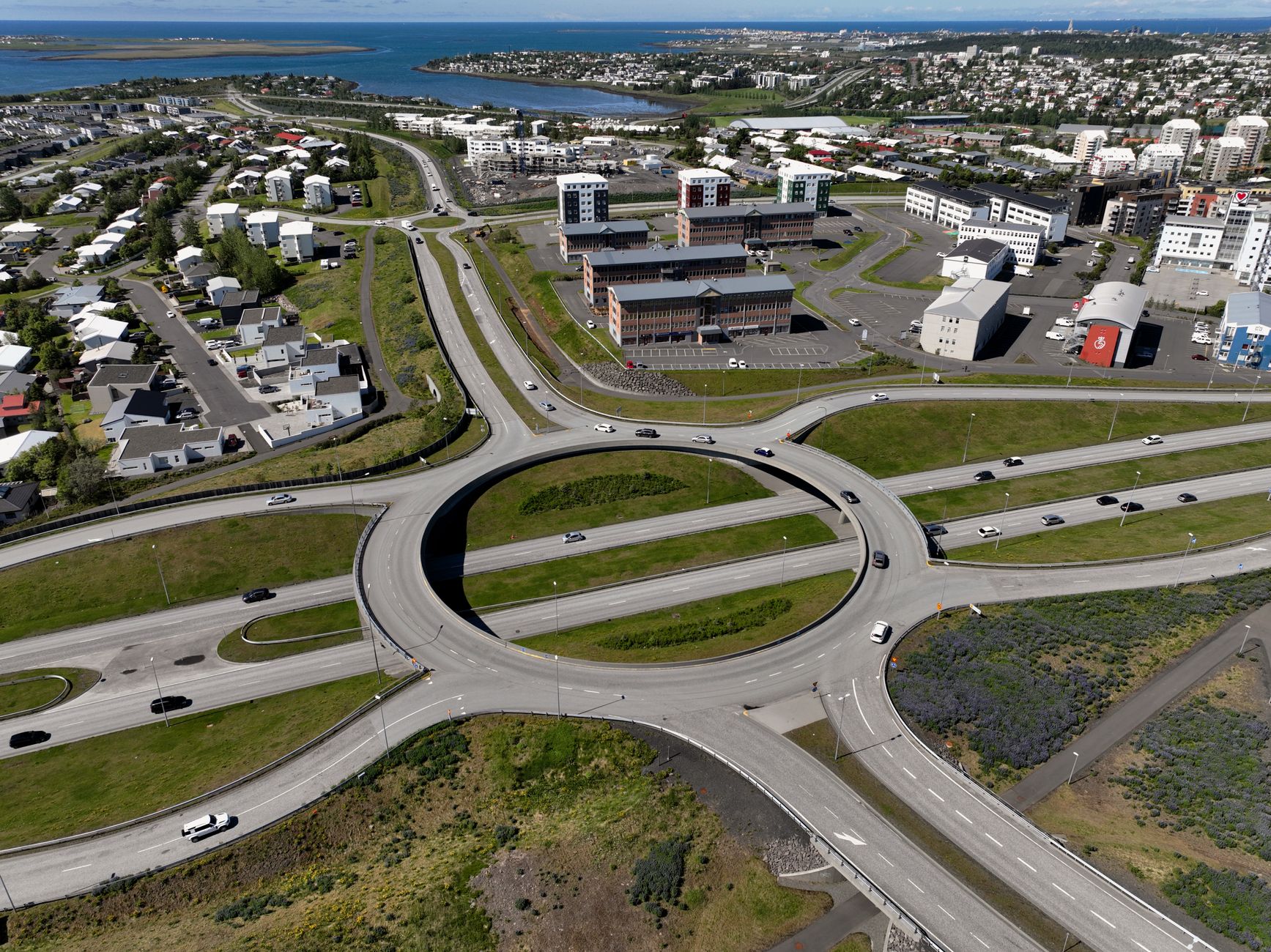
I remember staring at the map of Iceland, tracing Route 1 with my finger, convinced I could conquer the entire island in a week. The allure of the Iceland Ring Road is undeniable: a single highway encircling a land of epic waterfalls, black sand beaches, glaciers, and geothermal wonders. It promises an adventure of a lifetime. But the question many first-timers ask, "How quickly can I do it?", often leads to a crucial mistake. My own rushed attempt at a 7-day sprint left me exhausted and regretting every skipped detour. Let me be clear: attempting the Iceland Ring Road in under seven days isn't a trip; it's a speed run. And you'll miss most of the magic.
How Many Days for the Iceland Ring Road? My Experience
Forget what Google Maps tells you about driving times for the Iceland Ring Road. While the main loop is about 1,332 kilometers (828 miles), that number is incredibly deceptive. I learned that Iceland isn't about covering miles; it's about stopping every ten minutes for another breathtaking view. From my own travels, I've found that a truly comfortable, rewarding trip along the Iceland Ring Road requires at least 10 to 14 days. If you're truly pressed for time, a bare minimum of seven days is feasible, but prepare for long driving days, minimal detours, and the constant feeling that you're missing out.
Why the emphasis on extra time? Because the best parts of Iceland are almost always just off Route 1, down a gravel track, or involve a short hike. On my first, rushed trip, I was constantly glancing at my watch, skipping hot springs I'd researched, missing puffins at Dyrhólaey, and driving past charming fishing villages like Vík without more than a quick photo stop. Iceland demands patience and flexibility, especially when the weather decides to intervene, which it often does with dramatic flair. My advice is to build in buffer days – you'll use them.
Picking Your Season: Impact on Your Iceland Ring Road Trip
The time of year you choose for your adventure dramatically alters the experience, and crucially, the number of days you'll need.
Summer (June-August): The Midnight Sun & Crowds
This is peak season, and for good reason. You'll have nearly 24 hours of daylight, allowing for longer sightseeing days. All F-roads (mountain roads) are generally open, offering access to the Highlands. The weather is at its mildest, though still famously unpredictable. However, summer also brings crowds and higher prices for accommodation and rental cars. While you can cover more ground due to daylight, you'll also contend with more people at popular sites, which can slow you down. A 7-10 day Iceland Ring Road trip is most viable in summer.
Shoulder Seasons (May, September-October): A Sweet Spot
May and September are often considered the sweet spots. You get decent daylight, fewer crowds, and prices are a little lower. May offers melting snow, gushing waterfalls, and migratory birds. September brings autumn colors, potentially the Northern Lights, and still relatively accessible roads. The weather can be a mixed bag, so pack layers. You'll need at least 10 days during these months, possibly more if you encounter significant weather delays.
Winter (November-April): A Land of Ice and Fire (and Challenges)
Winter transforms Iceland into a dramatic wonderland of ice caves, frozen waterfalls, and the elusive Northern Lights. It's breathtaking, but also the most challenging time to drive the Iceland Ring Road. Daylight hours are short (only 4-5 hours in December), F-roads are closed, and main roads can close due to snowstorms or high winds with little warning. You'll need a 4x4, serious winter driving skills, and immense flexibility. A winter Ring Road trip requires at least 12-14 days, often more, to account for short daylight and potential road closures. Many travelers opt to focus on the South Coast during winter, rather than the full loop.
Beyond the Map: My Real-World Delays on the Iceland Ring Road
Your GPS might optimistically tell you it's a 16-hour drive around the island. Trust me, that's a local ignoring every scenic pull-off and driving without a care in the world. As someone who's driven the Iceland Ring Road multiple times, I can tell you these factors consistently eat into your time:
- Weather: Iceland's weather isn't just fickle; it's a force of nature. On one trip, near Kirkjubæjarklaustur, a sudden gale-force wind closed Route 1 for half a day. My StrongeSIM eSIM was a lifesaver, allowing me to quickly pull up road.is and vedur.is on my phone to find an alternate route and a last-minute guesthouse in a nearby town. Always check conditions before setting out each day; it's not just a suggestion, it's essential for safety.
- The East Fjords: This section is stunning, but maps lie about driving times here. What looked like a two-hour drive from Egilsstaðir to Djúpivogur on Google Maps once took me nearly four hours due to the relentless winding roads and the temptation to stop in every picturesque village. Factor in an extra 50-75% over estimated driving times for this region, especially if you plan a detour to Seyðisfjörður.
- Detours: The magic of the Iceland Ring Road often lies just off it. The Golden Circle, the Snæfellsnes Peninsula, the Westfjords, and countless smaller waterfalls and hot springs are all off the main highway. These are often the highlights of a trip, but they add significant driving time. For example, a full day exploring the Snæfellsnes Peninsula easily adds 200-300 km and 4-6 hours of driving to your itinerary.
- Sheer Beauty: This is my favorite "delay." You will stop. A lot. I've averaged 5-7 unplanned photo stops per hour in some sections, especially along the South Coast or around Lake Myvatn. This can easily add 2-3 hours to a typical 4-hour drive segment. You'll want to capture Seljalandsfoss, Skógafoss, Dyrhólaey, and countless unnamed vistas. Embrace these pauses; they are the heart of the experience.
- F-Roads (Highland Roads): If you plan to venture into the interior (like Landmannalaugar or Askja), these gravel, often river-fording roads require a 4x4 and are only open in summer. They are incredibly slow, bumpy, and demand your full attention. My journey into Landmannalaugar added a full day to my itinerary, but the otherworldly landscapes were absolutely worth the extra time and effort.
Breaking Down the Route: My Section-by-Section Guide to the Iceland Ring Road
To give you a clearer picture of what to expect, here's a realistic breakdown of sections along the Iceland Ring Road and the time I've found they truly demand:
South Coast & Golden Circle (Days 1-3)
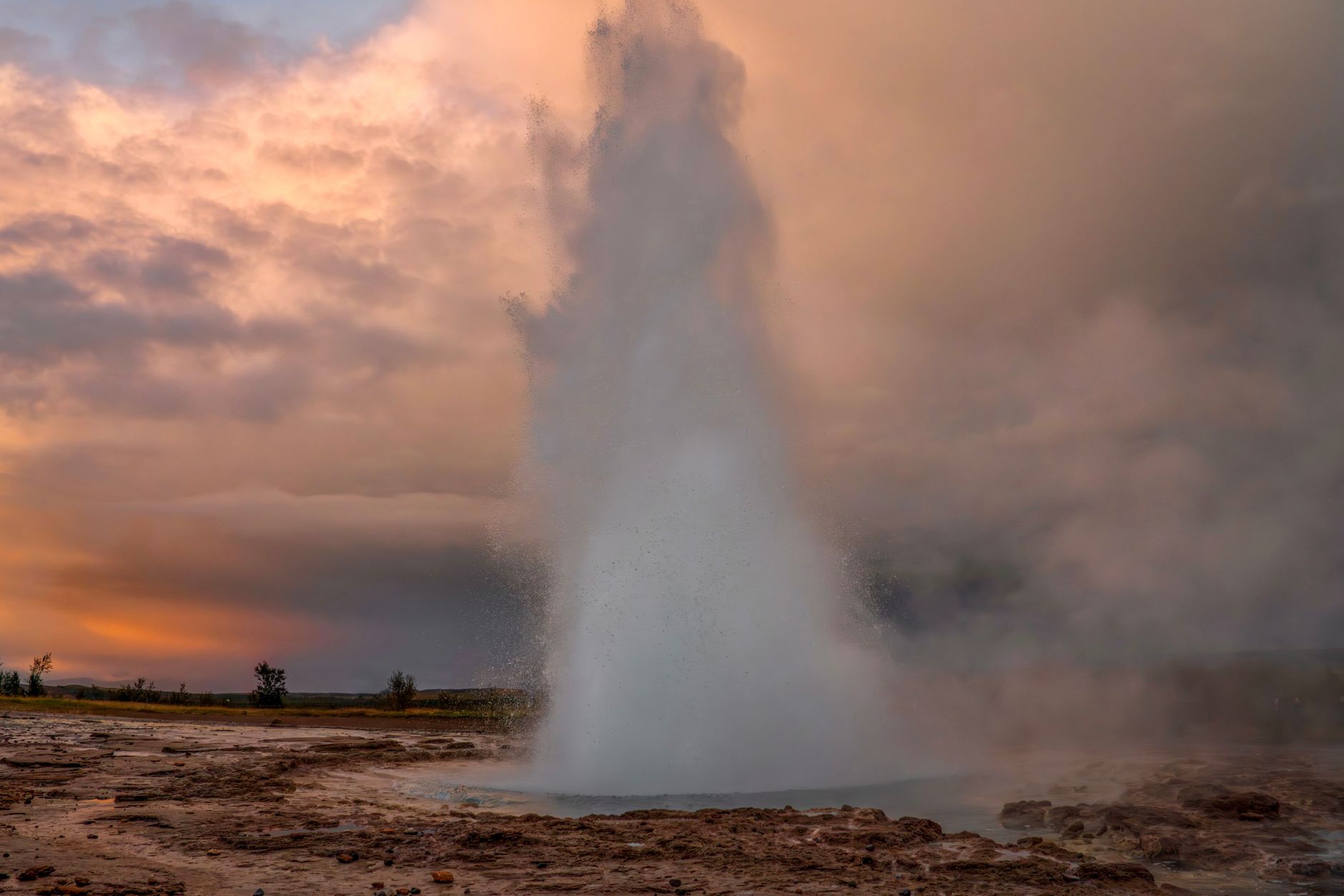
Most trips start and end in Reykjavík. The Golden Circle (Thingvellir National Park, Geysir geothermal area, Gullfoss waterfall) is a popular first day's loop. On my first visit, I tried to rush it in 6 hours, but found myself wanting more time at each stop. Plan for a full 8-10 hours with stops to truly savor it. The South Coast, stretching from Selfoss to Jökulsárlón glacier lagoon, is packed with iconic sights: Seljalandsfoss (where I loved walking behind the waterfall), Skógafoss (prepare for the climb!), the black sand beach of Reynisfjara, the basalt columns of Reynisdrangar, and eventually the diamond beach. This section alone warrants 2-3 full days of exploration, not just driving. Trust me, you'll want to linger.
East Fjords: Slow Curves and Coastal Charm (Days 4-5)
This is where many itineraries fall apart, as I discovered when my Google Maps estimate was wildly off. The East Fjords are undeniably beautiful but require slow travel. Route 1 hugs the coastline with countless winding turns and steep ascents/descents into and out of each fjord. What looks like a short distance on a map can take hours. Towns like Djúpivogur and Seyðisfjörður (a stunning detour I highly recommend, even if it adds half a day) offer charm and hiking opportunities. Do not underestimate this section; allocate at least two full days, potentially three if you want to properly explore without feeling rushed.
North Iceland: Volcanic Landscapes and Akureyri (Days 6-8)
The North offers a dramatic change of scenery. Highlights include the powerful Dettifoss waterfall (the sheer force is incredible), the geothermal wonders around Lake Myvatn (with its pseudo-craters and hot springs – I spent hours exploring Dimmuborgir), and the picturesque Goðafoss waterfall. Akureyri, Iceland's 'Capital of the North,' is a vibrant town worth a day itself. This region easily demands 2-3 days to properly appreciate its unique geological features and cultural hubs.
West Iceland & Snæfellsnes Peninsula: Iceland in Miniature (Days 9-10, Optional but Recommended)
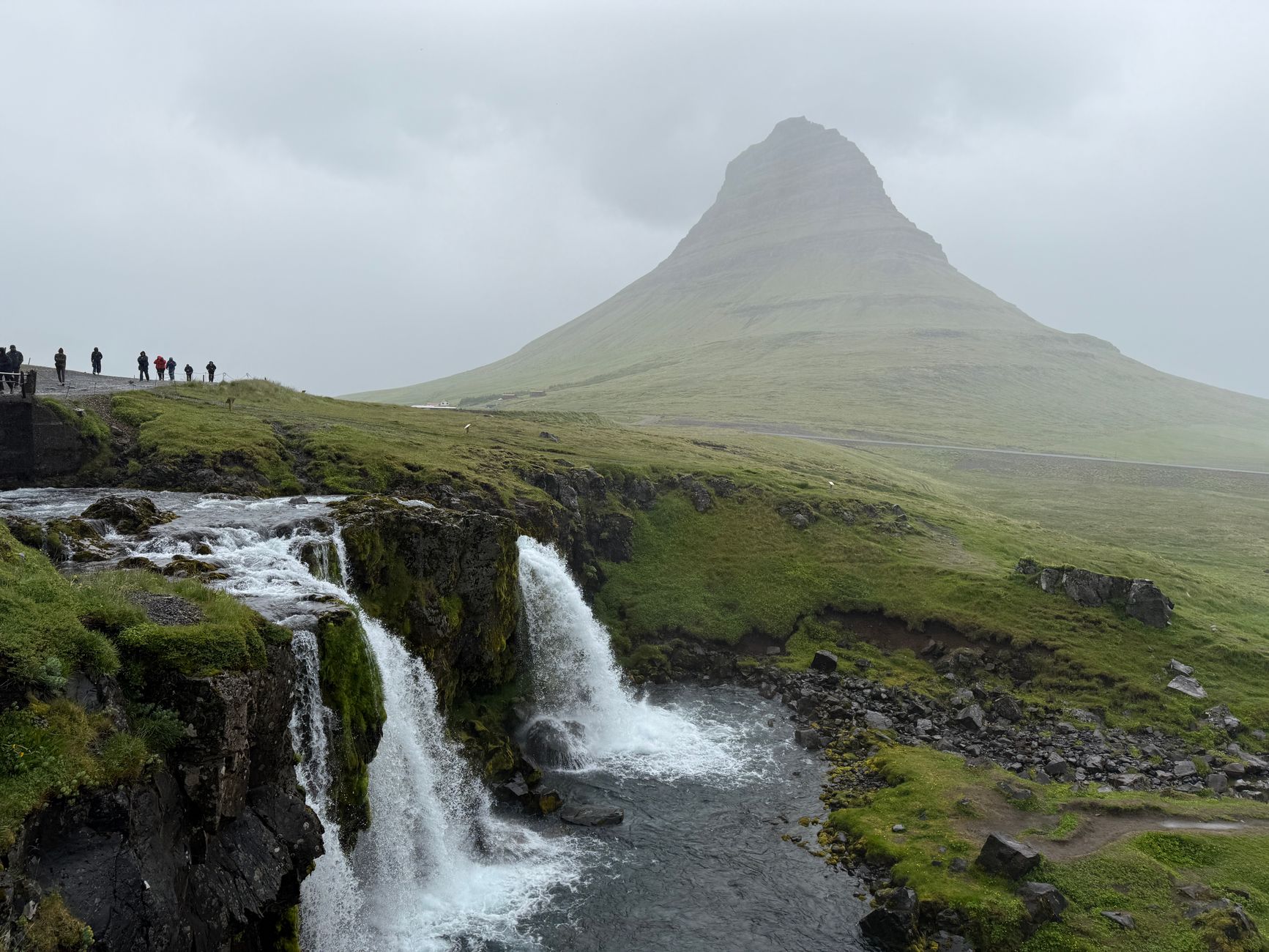
Before completing the loop back to Reykjavík, I always recommend a detour to the Snæfellsnes Peninsula. Often called 'Iceland in Miniature,' it packs glaciers, black sand beaches, basalt columns, charming villages, and the iconic Kirkjufell mountain into a manageable area. This detour alone needs an extra 1-2 days, but it's universally praised as a highlight for a reason. It was one of the most rewarding additions to my Iceland Ring Road itinerary.
Essential Logistics for Your Iceland Ring Road Adventure
- Car Rental: Book well in advance, especially for summer. A 4x4 is highly recommended for winter and essential for F-roads. Ensure you understand the insurance options, especially gravel protection.
- Accommodation: Outside of Reykjavík, options can be limited and book up quickly. Secure your stays months ahead, particularly for peak season. Farm stays and guesthouses offer a local touch.
- Food & Drink: Eating out in Iceland is expensive. Stock up at supermarkets (Bónus and Krónan are your friends) for snacks, lunches, and some dinners. Don't forget to try an Icelandic hot dog, or pylsa, from a roadside stand.
- Connectivity: While many hotels and guesthouses offer Wi-Fi, reliable mobile data is crucial for navigation, checking weather updates, and booking last-minute tours or accommodation on the go. My StrongeSIM Iceland eSIM has been invaluable on every trip, ensuring I'm always connected without worrying about roaming bills. It let me quickly upload those incredible Northern Lights photos to share with family, find a hidden hot spring using an app, and even re-route around a sudden road closure near Vík by pulling up the latest conditions on road.is.
- Packing: Layers are key. Think waterproof and windproof outerwear, warm base layers, sturdy hiking boots, and a swimsuit (for the many hot springs).
- Safety: Always respect nature. Stay on marked paths, never drive off-road, and be mindful of sheep on the roads. Tell someone your travel plans if you're venturing into remote areas.
The Iceland Ring Road is an unforgettable journey, but it’s one that demands time and respect. On my first trip, I rushed. On subsequent trips, I gave myself the gift of extra days, embraced the unexpected detours, and allowed Iceland to truly unfold around me. I promise, you'll thank yourself for it.
Frequently asked questions
Read next
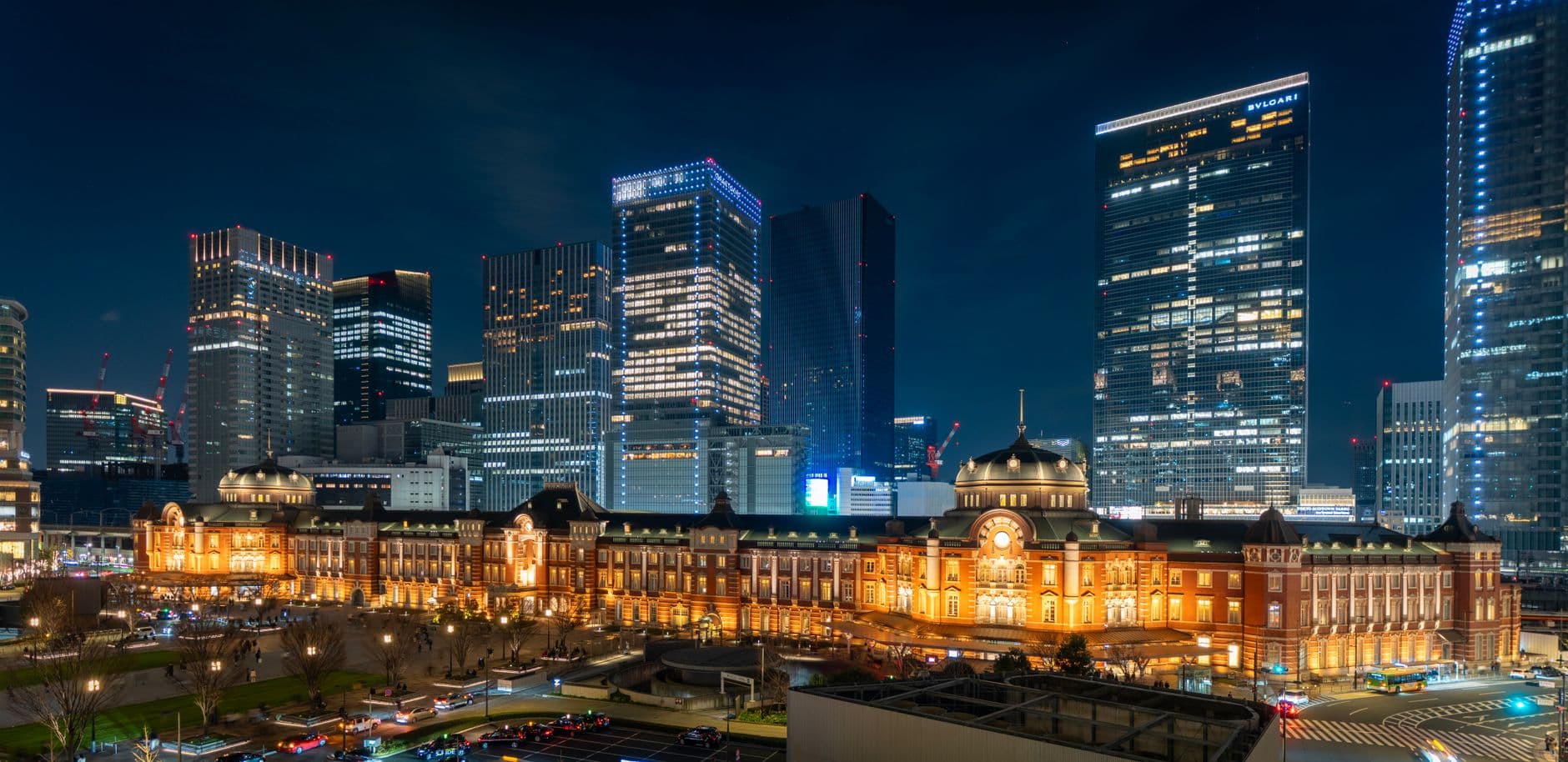 Where to Stay in Tokyo: First-Timer's Neighborhood GuideChoosing where to stay Tokyo is crucial for a smooth first visit. This guide, based on my extensive travels, compares five key neighbourhoods on factors like nightlife, train access, and budget to help you decide.
 Fix Your Slow Data Abroad: Real-World Solutions for TravelersIf you're experiencing painfully slow data abroad, don't panic. This guide provides immediate, actionable steps to troubleshoot and fix your mobile internet connection with real-world examples.
 Navigating the Marrakech Souks: Your StrongeSIM Traveler's GuideI still remember my first time in the Marrakech souks. This first-hand guide, born from my own experiences, will help you unlock their magic, haggle like a local, and discover treasures.
Heading somewhere specific? Compare prepaid and unlimited plans across 197 eSIM destinations, or read the eSIM setup guide before you fly.