Finding the Best Ramen in Tokyo Like a Local
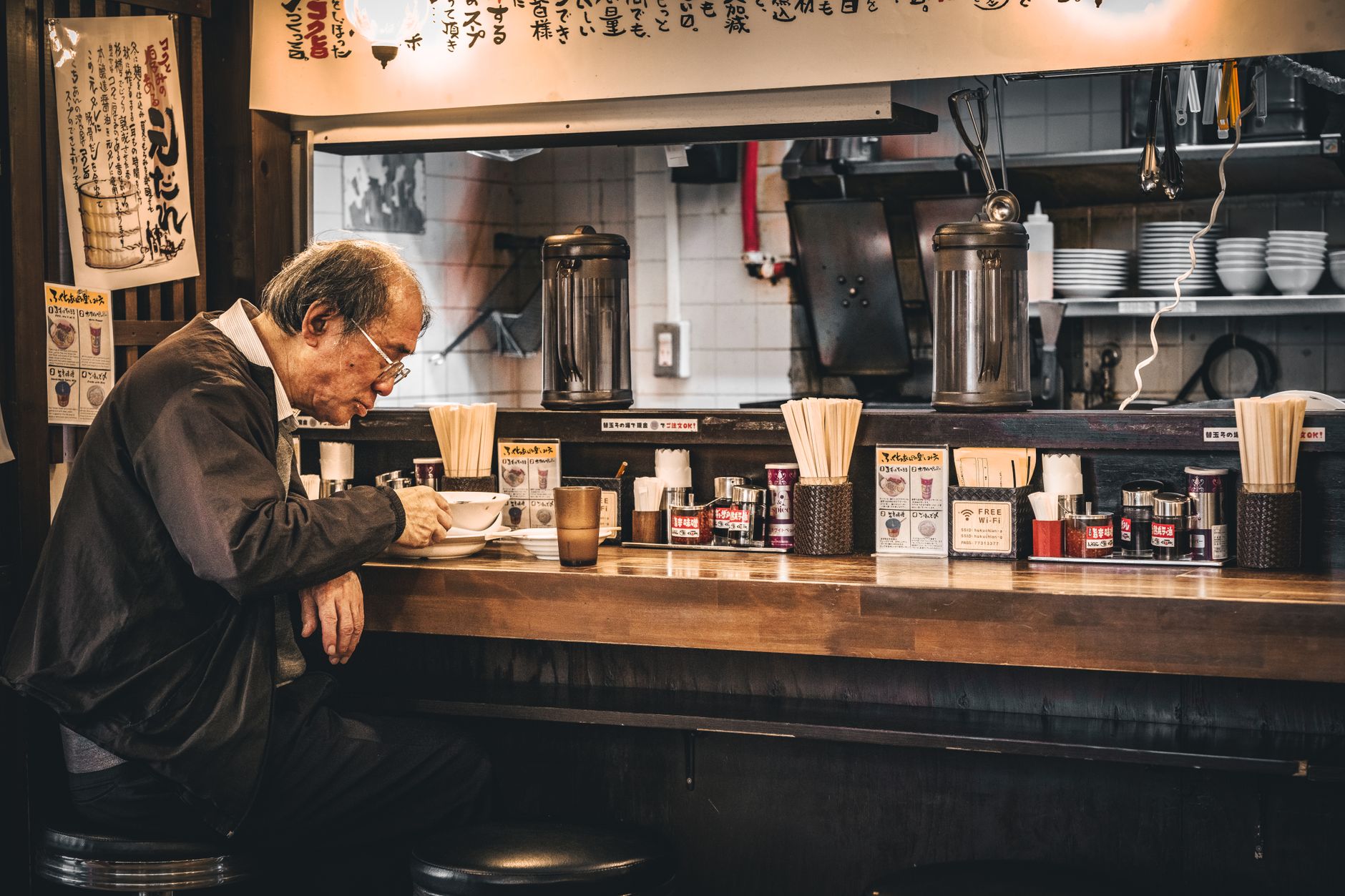
Stepping into a tiny, bustling ramen shop in Tokyo for the first time can feel like entering a secret society. The rhythmic clatter of bowls, the rich aroma of simmering broth, and the focused slurping of diners all signal that you've arrived at a quintessential Japanese experience. But with thousands of shops, how do you find the truly exceptional ramen in Tokyo, the kind locals queue for? This guide will walk you through the styles, the etiquette, and my personal picks to help you eat like a seasoned local.
Understanding Ramen in Tokyo: Beyond the Basics
Tokyo's ramen scene is a culinary universe, far beyond the instant noodles you might know. Each bowl is a carefully crafted symphony of broth, noodles, and toppings. While some global chains have made ramen famous, the real magic happens in the smaller, often unassuming, neighborhood spots. Knowing the main styles will help you pick a bowl you'll genuinely love.
Tonkotsu: The Rich Pork Bone Broth
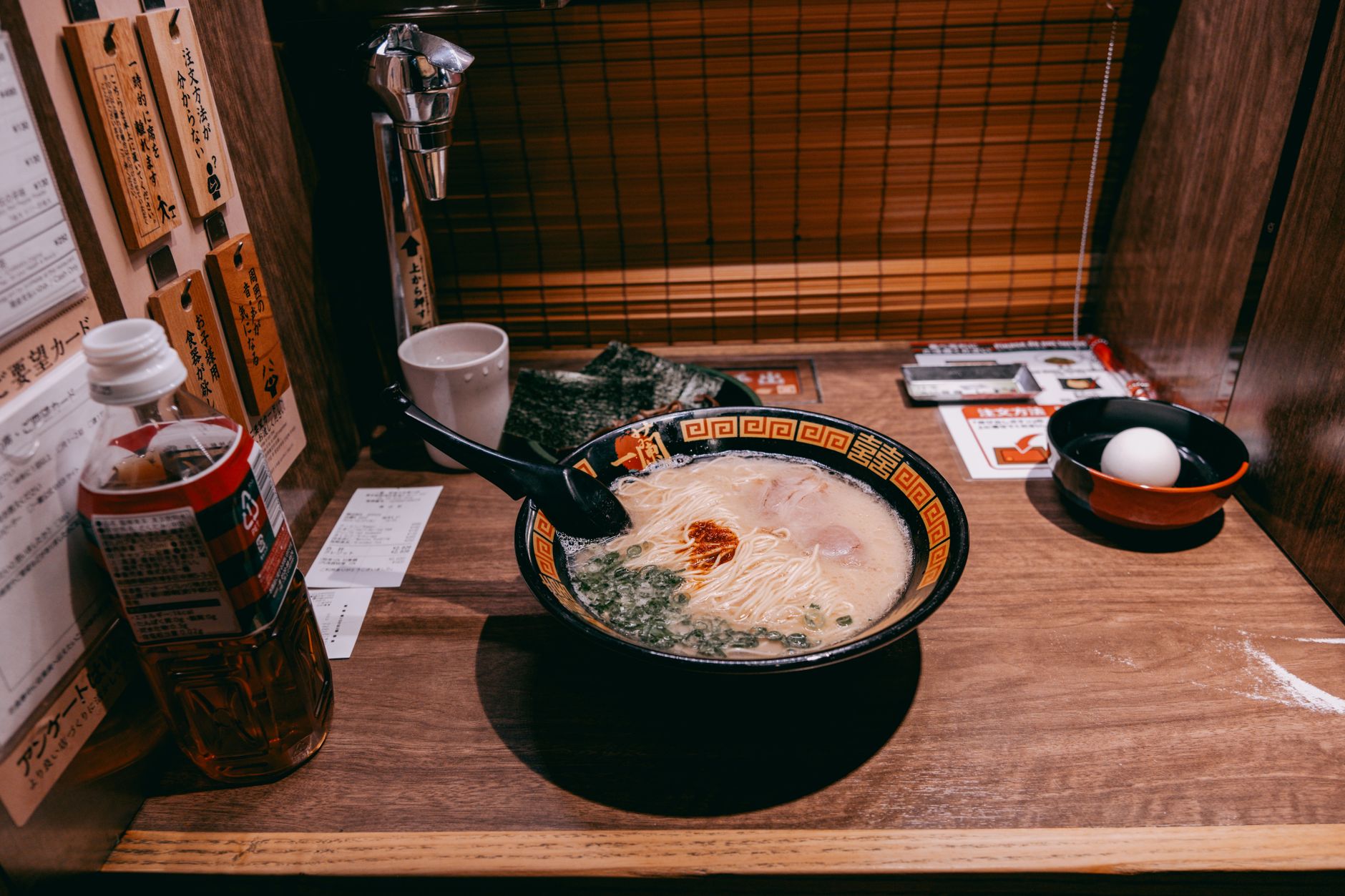
Originating from Fukuoka, Tonkotsu is arguably the most globally recognized ramen style. It features a thick, creamy, opaque broth made by boiling pork bones for hours, sometimes even days, until they dissolve into a rich, collagenous elixir. It often comes with thin, straight noodles, chashu (braised pork belly), kikurage (wood ear mushrooms), and beni shoga (red pickled ginger). If you like a hearty, almost milky broth, this is your go-to. While Ichiran is popular, for a truly deep dive, seek out a local spot. Many shops offer kaedama, an extra serving of noodles, for a small fee, which is a common practice with this style.
Shoyu: The Classic Soy Sauce Base
Shoyu ramen, with its clear, brown, soy sauce based broth, is the quintessential Tokyo style. It's often lighter than tonkotsu, with a delicate balance of chicken, pork, or seafood stock, seasoned with various soy sauces. Noodles are typically curly and springy. You'll often find it topped with nori (seaweed), menma (bamboo shoots), a perfectly soft-boiled ajitama egg, and thinly sliced chashu. This is what I often crave after a long day of exploring, a comforting and familiar flavor.
Miso: Hearty and Flavorful
Hailing from Hokkaido, miso ramen brings a robust, savory, and often slightly sweet flavor profile. The broth, typically pork or chicken based, is blended with miso paste, giving it a thicker, richer consistency. Toppings can be more varied, sometimes including corn, butter, stir-fried vegetables, or ground pork. It's a fantastic choice on a colder day or when you're looking for something with a bit more punch and complexity.
Tsukemen: The Dipping Noodle Experience
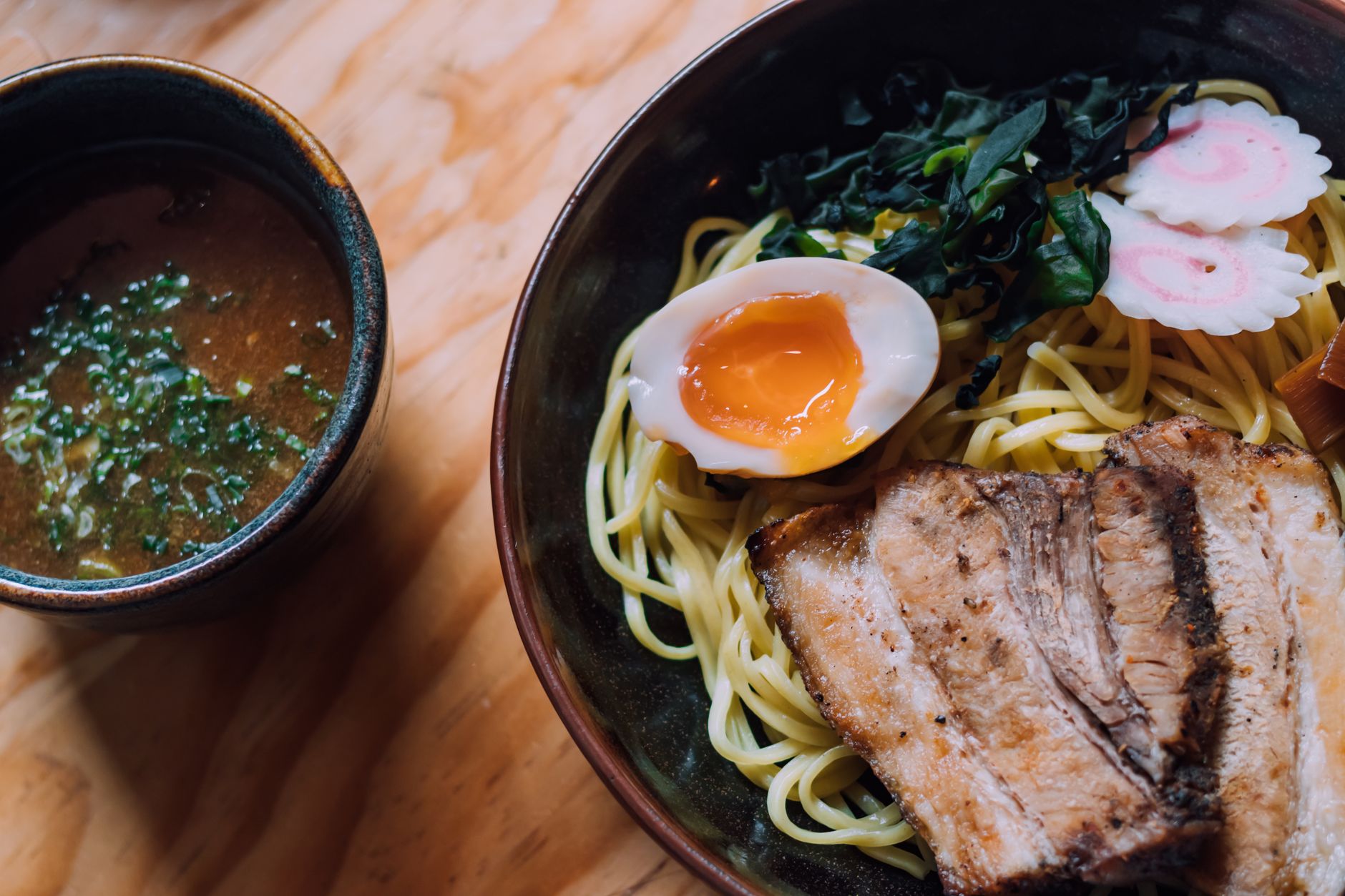
Tsukemen isn't quite a soup, it's an experience. Instead of swimming in broth, the thick, chewy noodles are served separately from a concentrated, intensely flavorful dipping broth. You grab a few noodles with your chopsticks, dip them into the piping hot broth, and slurp. The broth is usually much stronger and saltier than regular ramen broth, designed to cling to the noodles. After you've finished your noodles, many shops will offer 'soup-wari,' a lighter dashi broth to dilute your dipping sauce, turning it into a drinkable soup. It's incredibly satisfying and feels almost like a different meal entirely.
Navigating the Ramen Shop: Ordering Like a Pro
Don't let the process intimidate you. Most authentic ramen shops in Tokyo operate with a ticket vending machine system, which is actually incredibly efficient once you get the hang of it. It minimizes interaction with staff and keeps the line moving.
The Vending Machine Ritual
- **Find the machine:** It's usually right inside the entrance. Sometimes there's a small menu outside to help you decide.
- **Insert cash:** Most machines only take Japanese Yen notes (¥1,000, ¥5,000, ¥10,000) and coins. Credit cards are rare in these small shops.
- **Make your selection:** Buttons will display pictures of ramen bowls, often with toppings like 'special' (tokusei) or 'extra pork' (chashu-men). Basic ramen is usually the top left button. Look for the price below each button. If there's no English, you can often match pictures or look for the kanji for ramen (ラーメン) and common toppings.
- **Add toppings (optional):** Many machines have smaller buttons for extra ajitama (egg), nori (seaweed), or kaedama (extra noodles).
- **Collect your tickets and change:** The machine will dispense small paper tickets for your order and any change.
- **Hand over your ticket(s):** When you're seated, or sometimes while you're still waiting, the staff will ask for your ticket. Just place it on the counter in front of you.
Queue Etiquette and Seating
Queues are common, especially at popular spots. Join the back of the line patiently. Don't worry about talking, just wait your turn. Once inside, you'll likely sit at a counter facing the kitchen. This is part of the experience, watching the chefs work. Don't linger after you've finished your meal; these shops thrive on quick turnover. Finish your bowl, thank the staff (gochisousama deshita is a good phrase), and head out.
A typical bowl of ramen in Tokyo will set you back anywhere from ¥800 to ¥1,500, depending on the shop and toppings. It's one of the best value meals you can find.
My Top Picks for Ramen in Tokyo (and Where to Find Them)
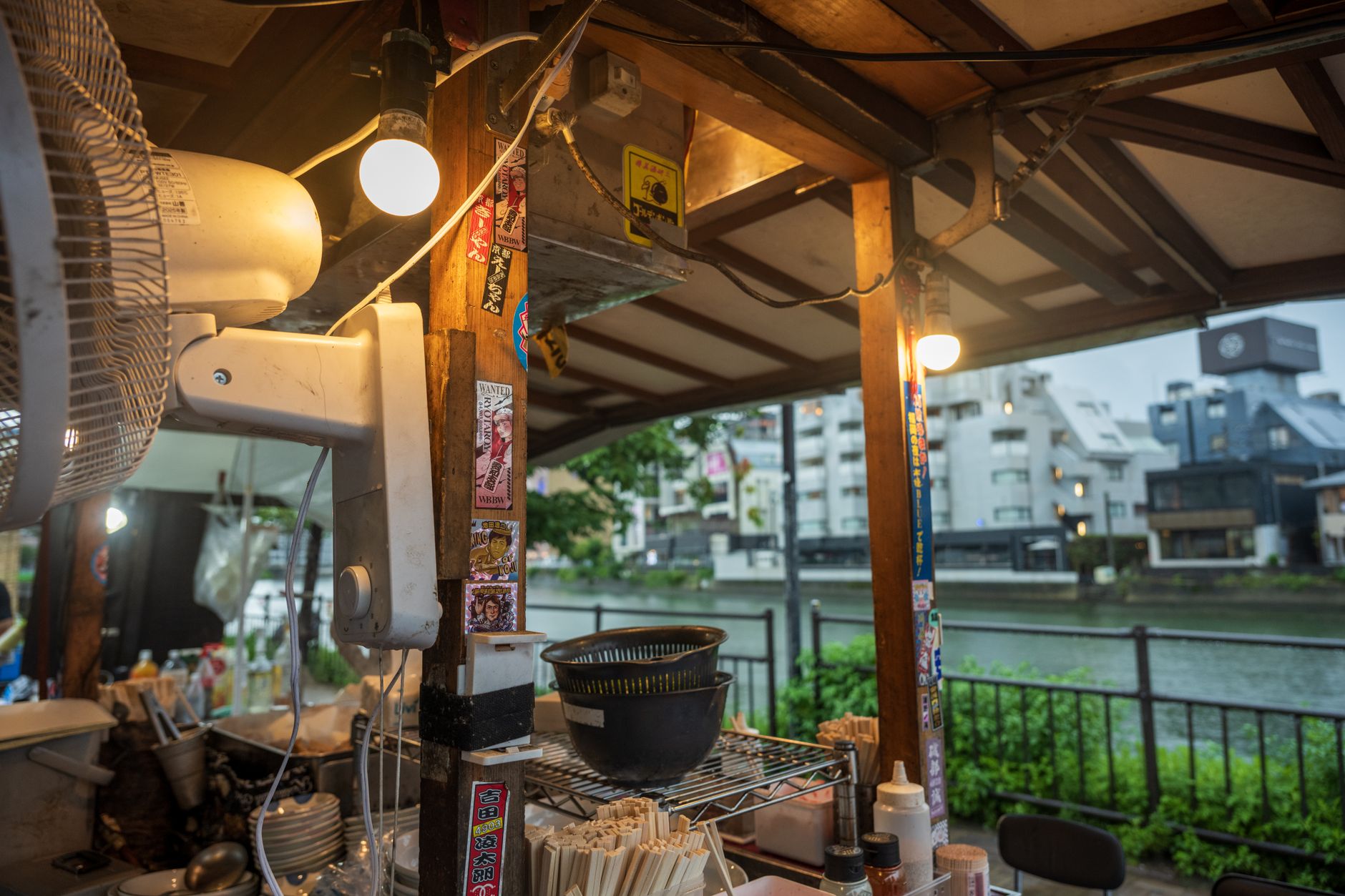
While there are countless fantastic ramen shops, these are a few I consistently recommend for different styles and experiences. Getting around Tokyo is incredibly easy with its efficient train system, and having a Japan eSIM with data means you can easily navigate to these often-hidden gems using Google Maps without worrying about roaming charges.
For Classic Shoyu: Ginza Hachigou
Located a short walk from Ginza Station, Ginza Hachigou offers an incredibly refined and delicate shoyu ramen. Their broth, made with duck, chicken, and ham, is clear, light, and intensely flavorful. It's a Michelin Bib Gourmand recipient, and for good reason. Expect a wait, especially around lunch, but the sophisticated taste is a refreshing contrast to heavier broths. They're often closed on Sundays and Mondays, so check ahead.
For Unforgettable Tsukemen: Rokurinsha
If you're near Tokyo Station, Rokurinsha is an absolute must-try for tsukemen. You'll find it in the 'Ramen Street' section of Tokyo Station's underground Ichibangai shopping area (B1F). Their thick, chewy noodles and rich, umami-packed pork and seafood dipping broth are legendary. The queues can be notoriously long, especially during peak lunch and dinner hours (11:00 AM-3:30 PM and 5:00 PM-10:00 PM), but they move surprisingly fast. It's worth every minute of waiting.
For a Deeper Dive into Tonkotsu: Mutekiya
In Ikebukuro, Mutekiya stands out for its incredibly rich, almost sticky tonkotsu broth. It's a step up in intensity from some of the more commercial tonkotsu chains. Their chashu is melt-in-your-mouth tender, and the broth has an addictive depth. It's a popular spot, so be prepared for a queue that often snakes around the block, but their system is efficient. They're open late, which is great for a late-night ramen craving after exploring Ikebukuro's nightlife.
When You Just Need a Reliable Bowl: Ichiran or Ippudo
I'll be honest: sometimes you just want a good, consistent bowl without the fuss. Chains like Ichiran and Ippudo, while ubiquitous, serve genuinely tasty ramen. Ichiran is famous for its 'flavor concentration booths' for solo dining and customization sheets, making it a comfortable first-timer experience. Ippudo offers a slightly more traditional, bustling atmosphere. They're reliable choices when you're tired, pressed for time, or unsure where else to go. They might not be the hidden gems, but they are genuinely good ramen in Tokyo.
Practical Tips for Your Ramen Adventure
- **Cash is King:** Many smaller, independent ramen shops are cash-only. Always carry enough yen.
- **Slurp Away:** In Japan, slurping your noodles is not only acceptable, it's often seen as a sign of enjoyment and appreciation for the chef. Don't be shy!
- **Don't Ask for Takeaway:** Ramen is meant to be eaten fresh, right after it's prepared. Takeaway options are extremely rare, especially at specialist shops, as the noodles can get soggy.
- **Mind Your Manners:** While slurping is fine, avoid talking loudly, using your phone excessively, or holding up the queue. Be mindful of your neighbors, especially in tight counter seating.
- **Hydration is Key:** Many shops offer free cold water (often self-serve from a pitcher on the counter) or tea. Ramen can be quite salty, so stay hydrated.
- **Dietary Restrictions:** Vegetarian or vegan ramen is becoming more common, but it's not the norm. If you have strict dietary needs, research specific shops that cater to them, as cross-contamination is a real possibility in traditional shops. Gluten-free options are even rarer. For general dining etiquette, this guide from the Japan National Tourism Organization can be helpful.
Embarking on a ramen quest in Tokyo is one of the most rewarding culinary journeys you can have. Each bowl tells a story, a testament to dedication and flavor. Don't be afraid to venture beyond the main streets; some of the best ramen in Tokyo is found down a quiet alleyway. Enjoy the hunt, savor every slurp, and you'll soon find your own favorite spot.
Frequently asked questions
Read next
 Your First-Timer's Guide to Berlin NightlifeBerlin nightlife has a legendary reputation, but for first-timers, it can feel like navigating a secret society. This guide cuts through the mystique to give you the practical details you need for a great night out.
 The Best Levada Hikes in Madeira, Ranked by Effort & ViewMadeira is a hiker's paradise, but knowing which levada hikes in Madeira suit your fitness and interests can make all the difference. This guide sorts the island's best trails by effort and reward.
 Digital Nomad Thailand: How Much Data Do You Really Need?As a digital nomad in Thailand, your data needs are unique. This guide breaks down exactly how much mobile data you'll need for remote work, video calls, and exploring the country.
Heading somewhere specific? Compare prepaid and unlimited plans across 197 eSIM destinations, or read the eSIM setup guide before you fly.