Istanbul Food Guide: Eat Like a Local in Key Neighborhoods
Sarah Miller has spent over a decade exploring Istanbul's hidden culinary gems, living in Kadikoy for two years and returning annually to uncover new flavors. Her expertise comes from countless meals shared with locals, from bustling markets to intimate family kitchens.
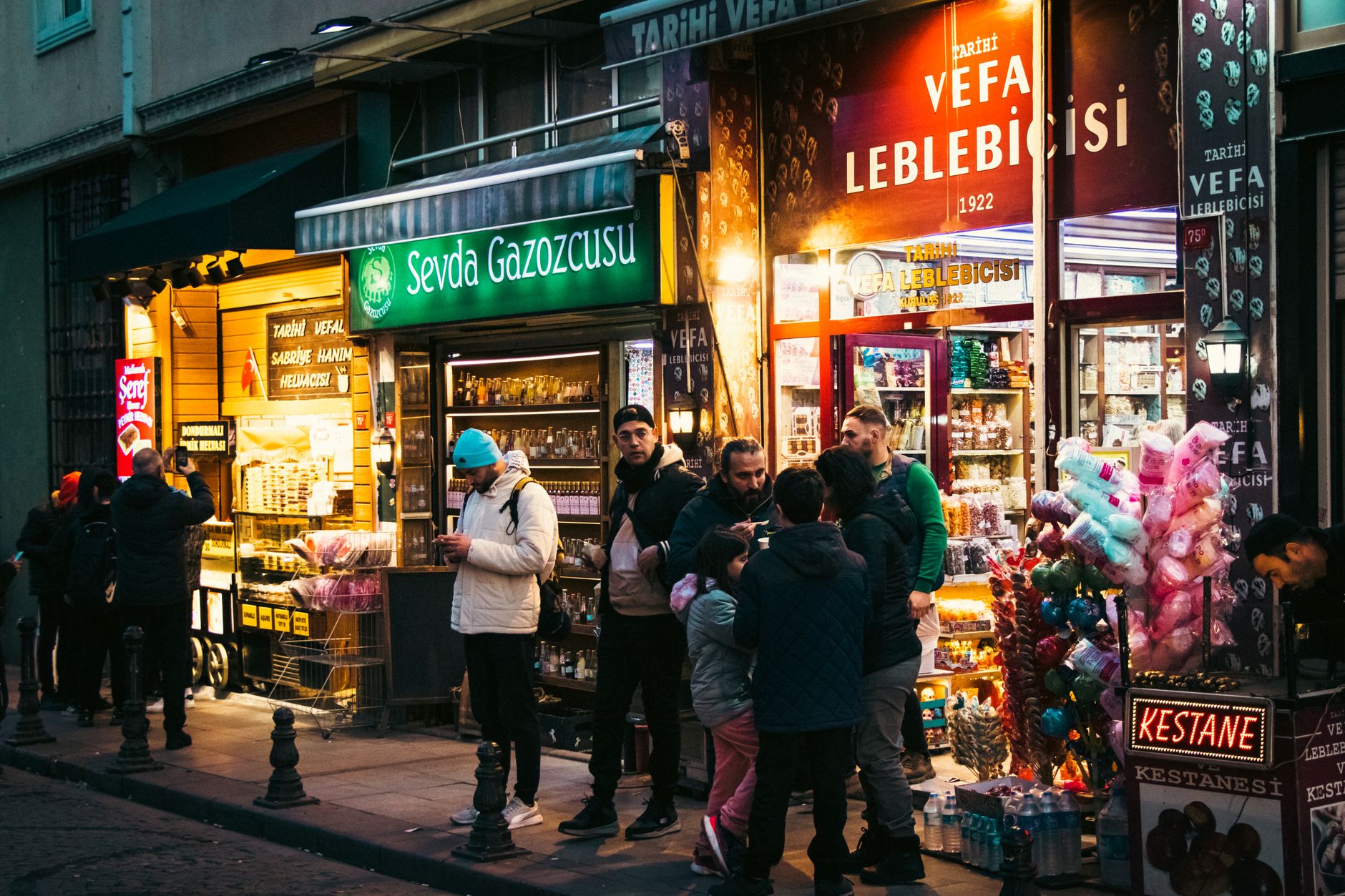
My first bite of *balık ekmek* by the Galata Bridge was an initiation, not just into Istanbul's vibrant street food scene, but into the soul of the city itself. The air in Kadikoy market hums with the sizzle of kokoreç and the sweet scent of fresh baklava, a symphony of flavors that tells Istanbul's story. Forget the generic tourist menus; the real magic happens in the backstreets, the bustling markets, and the family-run lokantas. You'll navigate the city's gastronomic wonders, taking you from the vibrant Asian side to the historic European quarters, ensuring you eat like a true local with this comprehensive Istanbul food guide.
Starting Your Day Right: The Turkish Breakfast Experience
A perfect start to any Istanbul food guide adventure begins with a traditional kahvaltı. A proper Turkish breakfast (kahvaltı) is less a meal and more a national institution. It is a leisurely affair, a spread designed for sharing and savoring. On my last visit, I savored a spread of *tulum peyniri* (a crumbly goat cheese) and *Ezine peyniri* (a feta-like cheese), alongside succulent olives, fresh tomatoes and cucumbers, rich honey, various jams, and clotted cream (kaymak), always served with fresh bread and *simit* (a sesame-crusted bread ring). It's a feast for the eyes and the stomach.
Beyond the basics, look for *menemen* (scrambled eggs cooked with tomatoes, peppers, and spices) or *sucuklu yumurta* (fried eggs with spicy cured sausage). Many places offer a ‘village breakfast’ (köy kahvaltısı) which often includes more rustic, homemade elements. I particularly recommend Van Kahvaltı Evi in Cihangir, where for around ₺300-400 for two (approx. $10-13 USD / €9-12 EUR per person), you can enjoy an expansive spread that feels truly authentic. Expect to spend a couple of hours lingering over tea, chatting, and enjoying the morning. It is a slow start to the day that sets the tone for Istanbul's unhurried pace.
Karakoy & Galata: Historic Charm Meets Culinary Innovation
This dynamic duo offers a taste of Istanbul's past and present, a key stop in any thorough Istanbul food guide. Nestled along the Golden Horn, Karakoy, with its historic port and warehouses, has transformed into one of Istanbul's trendiest districts. Just up the hill, Galata offers stunning views from its iconic tower and a maze of charming streets.
What to Eat in Karakoy & Galata
Karakoy is famous for its fish sandwiches (*balık ekmek*). While the floating boats near the Galata Bridge are iconic, I found a much fresher and more flavorful version from Tarihi Yarımada Balıkçısı, a small, unassuming stall just off the main road in Karakoy, where they grill the fish to perfection right in front of you. Expect to pay around ₺80-100 (approx. $2.50-3.50 USD / €2.30-3.20 EUR).
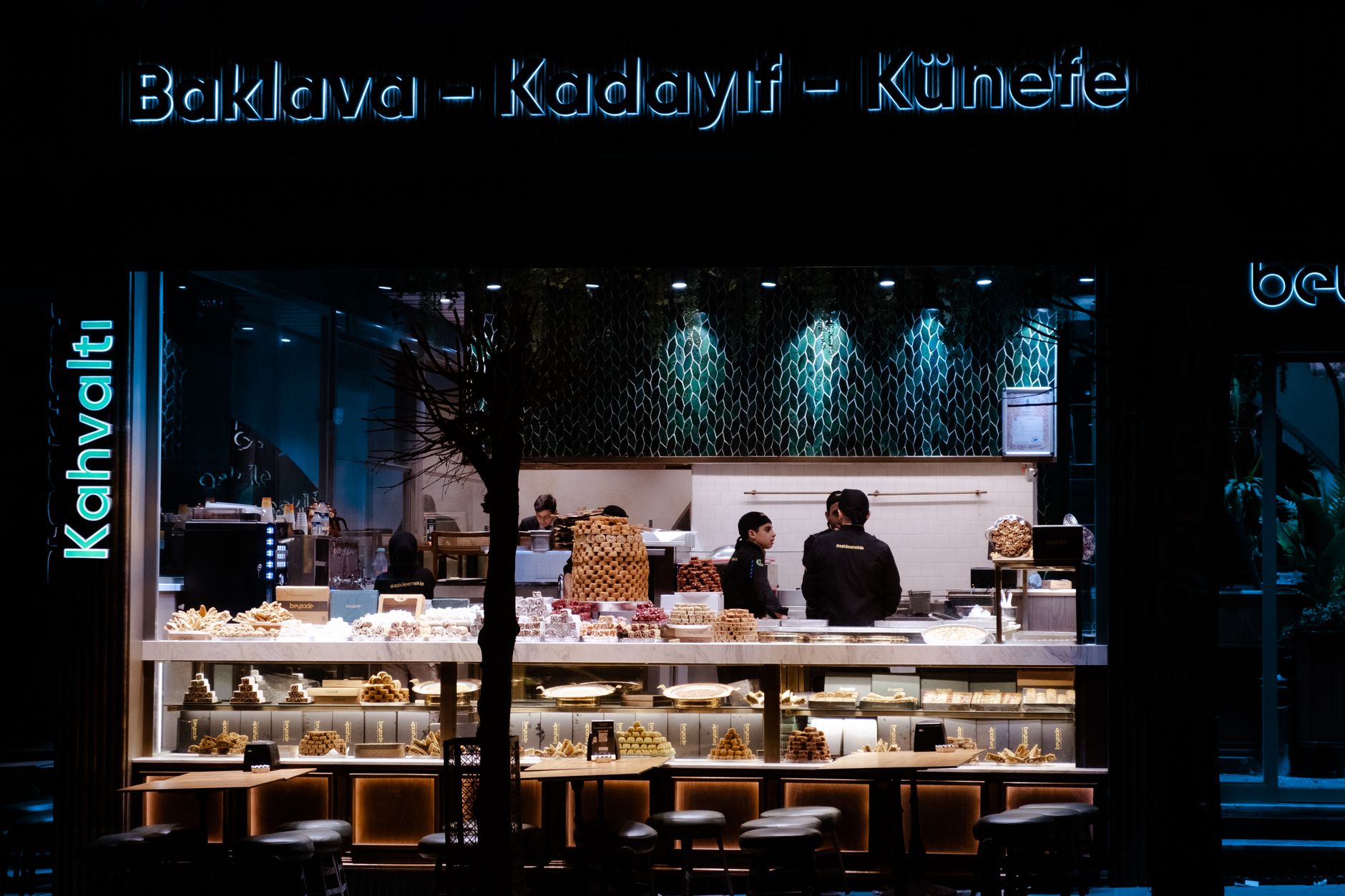
For a sweet treat, a visit to Karakoy Güllüoğlu is practically mandatory, a sweet highlight in any Istanbul food guide. This multi-story institution has been serving some of the city's best baklava since 1871. Their pistachio baklava is legendary, but do not skip the more unusual varieties like carrot slice baklava (havuç dilimi) or the walnut varieties. I always grab a few pieces to enjoy with strong Turkish coffee.
For a lighter bite or a chic coffee break, explore the side streets around Serdar-ı Ekrem Caddesi in Galata, where places like Mavra Espresso Bar offer excellent coffee and pastries.
Logistics for Karakoy & Galata
Both neighborhoods are easily walkable once you are there. Karakoy is a major tram stop (T1 line), and Galata is a short, albeit steep, walk from there. Consider taking the historic Tünel funicular from Karakoy up to Istiklal Avenue to save your legs. Evenings can be very busy, especially on weekends, with locals and tourists alike flocking to the restaurants and bars. For navigating the charming but sometimes confusing Galata alleys, I relied on my StrongeSIM Turkey eSIM to quickly translate the handwritten daily specials at a tiny lokanta, or to pinpoint the exact alley where that legendary döner shop was hiding, ensuring I never missed a culinary gem. It's truly a lifesaver for food discovery.
Kadikoy: The True Heart of the Istanbul Food Guide (Asian Side)
If you ask a local where to find the best food, chances are they will point you across the Bosphorus to Kadikoy on the Asian side. This bustling district feels distinctly different from the European side, with a more relaxed, authentic vibe and a food scene that is truly unmatched. It is where locals come to shop, eat, and socialize. My visits to Kadikoy always feel like a deeper dive into true Istanbul, making it an essential stop for any serious Istanbul food guide.
What to Eat in Kadikoy
Start your exploration in the Kadikoy market. This sprawling area is a feast for the senses, with stalls overflowing with fresh fish, vibrant produce, cheeses, olives, spices, and countless street food vendors. I always grab some *midye dolma* (mussels stuffed with spiced rice) from one of the many vendors near the ferry terminal – look for the busiest one, like Midyeci Ahmet, where they shuck them fresh; you can easily eat 10-15 for around ₺50-75 (approx. $1.50-2.50 USD / €1.40-2.30 EUR).
If you're adventurous, try *kokoreç* (grilled lamb intestines, often served in half a bread loaf), surprisingly delicious if you find a good spot like Kadıköy Çarşı Kokoreç; finding a good spot like Kadıköy Çarşı Kokoreç is a true insider tip from this Istanbul food guide. And don't miss a fresh seasonal fruit juice!
For a sit-down meal, Kadikoy is home to some of Istanbul's most celebrated restaurants. While Çiya Sofrası receives international acclaim for its regional Anatolian dishes (their lamb stew and various vegetable dishes are outstanding, a meal for two is about ₺500-700 (approx. $16-23 USD / €15-21 EUR per person)), do not be afraid to duck into smaller, less famous lokantas.
I once stumbled into a tiny spot near the market, Güler Osmanlı Mutfağı, and had an incredible home-style *dana haşlama* (boiled beef stew) for under ₺150 (approx. $5 USD / €4.50 EUR). Look for *iskender kebab* here, a rich dish of thinly sliced lamb or beef döner kebab, smothered in hot tomato sauce over pita bread, and topped with melted butter and yogurt. Bursa İskender Kebap is a reliable choice.
Logistics for Kadikoy
The best way to reach Kadikoy is by ferry from Eminonu or Karakoy. I always prefer the ferry from Eminonu for the stunning Golden Horn views. The scenic journey across the Bosphorus offers fantastic views and takes about 20 minutes; try to avoid peak commuter times (8-9 AM and 5-7 PM) for a more relaxed ride. Once you arrive, the market and main eating streets are all easily walkable. Kadikoy is particularly lively on weekends, but you will find plenty of action any day of the week, though some smaller market stalls might close on Sundays. The area around Moda, a short walk from the Kadikoy ferry terminal, is great for cafes and sunset views.
Balat: History, Color, and Cozy Bites
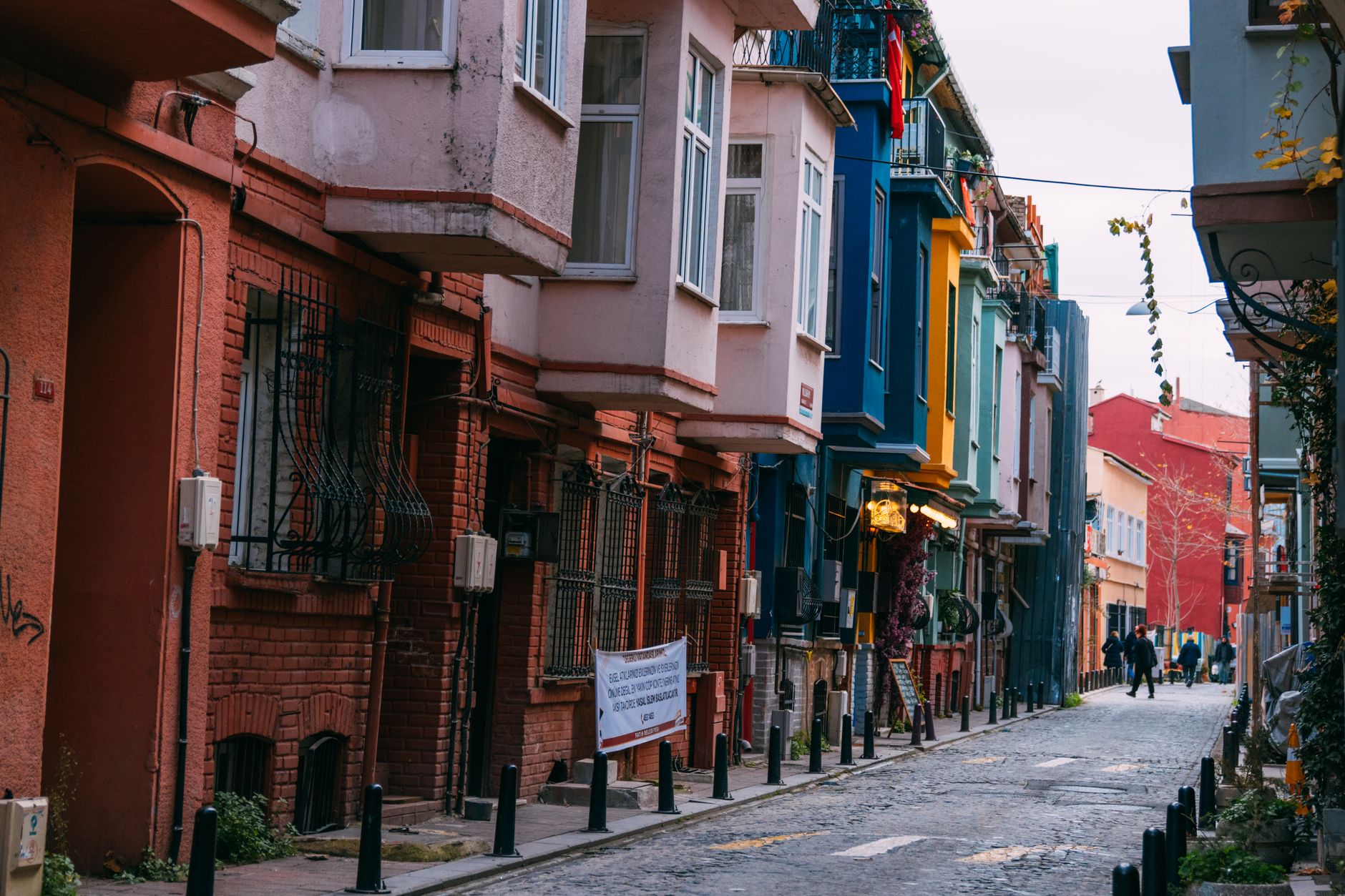
While often overlooked for grand meals, Balat's unique charm makes it a delightful inclusion in your Istanbul food guide. Balat, a UNESCO World Heritage site, is a kaleidoscope of brightly painted Ottoman-era houses, narrow cobbled streets, and a rich multicultural history. While not traditionally a food destination for elaborate meals, it offers a charming atmosphere for lighter bites and coffee, perfect for a mid-afternoon stroll.
What to Eat in Balat
In Balat, the focus is less on grand restaurants and more on the experience of wandering and discovering quaint cafes. You will find plenty of spots offering strong Turkish coffee, fresh pastries, and simple sandwiches. I particularly enjoyed the atmosphere and delicious pastries at Forno Balat, known for its *lahmacun* and *pide*, or the cozy vibes at Cooklife Balat for a refreshing iced coffee. It is the perfect place to grab a quick *simit* from a street vendor for about ₺10-15 (approx. $0.30-0.50 USD / €0.28-0.47 EUR) and enjoy it while admiring the colorful architecture. Look for small, family-run bakeries for traditional sweets and savories.
Logistics for Balat
Balat is best explored on foot. You can reach it by bus from Eminonu (many lines go towards Fener/Balat) or take a taxi. It is generally quieter during weekdays, making it ideal for a relaxed stroll and photo opportunities. Most cafes operate throughout the day, closing in the early evening. I recommend combining a visit to Balat with its equally charming neighbor, Fener, for a full afternoon of historical exploration. Download Google Maps offline before you go, as some of the narrower, hilly streets can be a bit tricky to navigate with spotty signal.
Beyoglu Backstreets: Beyond Istiklal's Tourist Traps
Exploring Beyoglu's hidden alleys reveals a vibrant local food scene, a must-have section in any authentic Istanbul food guide. Istiklal Avenue is Istanbul's most famous shopping street, but its main drag is largely a culinary wasteland for authentic food. The real treasures lie in the side streets and alleys of Beyoglu, where locals gather for proper meals and lively evenings. This area is a crucial part of any comprehensive Istanbul food guide.
What to Eat in Beyoglu's Hidden Alleys
Venture off Istiklal, especially into areas like Nevizade Sokak or the streets around Cihangir, and you will find fantastic *meyhanes* (traditional Turkish taverns). These are places for long, convivial evenings, sharing *mezes* (small plates) like *haydari* (garlic yogurt dip), *patlıcan salatası* (eggplant salad), and *ezme* (spicy tomato dip), often accompanied by rakı, the anise-flavored spirit. I had an unforgettable evening at Cumhuriyet Meyhanesi in Nevizade, where the live music and endless meze made for a truly local experience (expect ₺400-600 per person with drinks (approx. $13-20 USD / €12-18 EUR)). Follow your nose and the sound of chatter.
For a truly unique, late-night experience, seek out the famous 'Islak Hamburger' (wet burger) near Taksim Square. While not gourmet, this steamed burger drenched in a special tomato sauce is a cult classic among locals, especially after a night out. The most famous spot is Kızılkayalar, right in Taksim, and it's an essential part of the local late-night scene. It's a must-try for any adventurous foodie exploring Istanbul, often costing around ₺70-90 (approx. $2-3 USD / €1.90-2.80 EUR).
This is also where you will find excellent, authentic *döner*. The key is to avoid places with a large, pre-cooked block of meat spinning endlessly. Look for smaller shops where the meat is visibly fresh, often cooked over charcoal, and sliced thinly to order. Dönerci Şahin Usta near Grand Bazaar (not strictly Beyoglu but a great example) or even a local spot in Cihangir like Çukurcuma Dönercisi offers a true *döner* experience, about ₺100-150 (approx. $3-5 USD / €2.80-4.70 EUR).
It’s about the quality of the meat, fresh bread, and simple, fresh toppings. Also, seek out *lahmacun*, often called 'Turkish pizza,' a thin, crispy flatbread topped with spiced minced meat, best eaten rolled up with a squeeze of lemon and fresh parsley. Oz Kilis Kebap ve Lahmacun Salonu is famous for this.
Logistics for Beyoglu
Beyoglu is well-connected by tram, metro, and funicular. The backstreets are best explored by simply wandering. Evenings are the prime time for meyhanes, which often stay open late. Navigating these winding streets, especially after dark, is where having reliable mobile data for maps and translations becomes invaluable. I relied on my StrongeSIM eSIM to quickly translate menu items at a small *meyhane* in Nevizade, or to find the exact alley for that legendary *döner* shop in Cihangir, saving me from getting lost in Beyoglu's charming labyrinth.
The Kebab Conundrum: Tourist Trap vs. The Real Deal
Navigating the world of kebabs is a vital part of understanding Istanbul's food scene, and this Istanbul food guide helps you distinguish the best. You will see 'kebab' everywhere in Istanbul, but not all kebabs are created equal. Many tourist-centric spots serve mediocre, mass-produced versions. Here is how to distinguish them and find the real gems:
- The Döner Test: A good döner kebab comes from a vertical rotisserie with layers of quality meat (often lamb and beef, or chicken). Avoid places where the meat looks dried out, or where it is clearly pre-sliced and reheated.
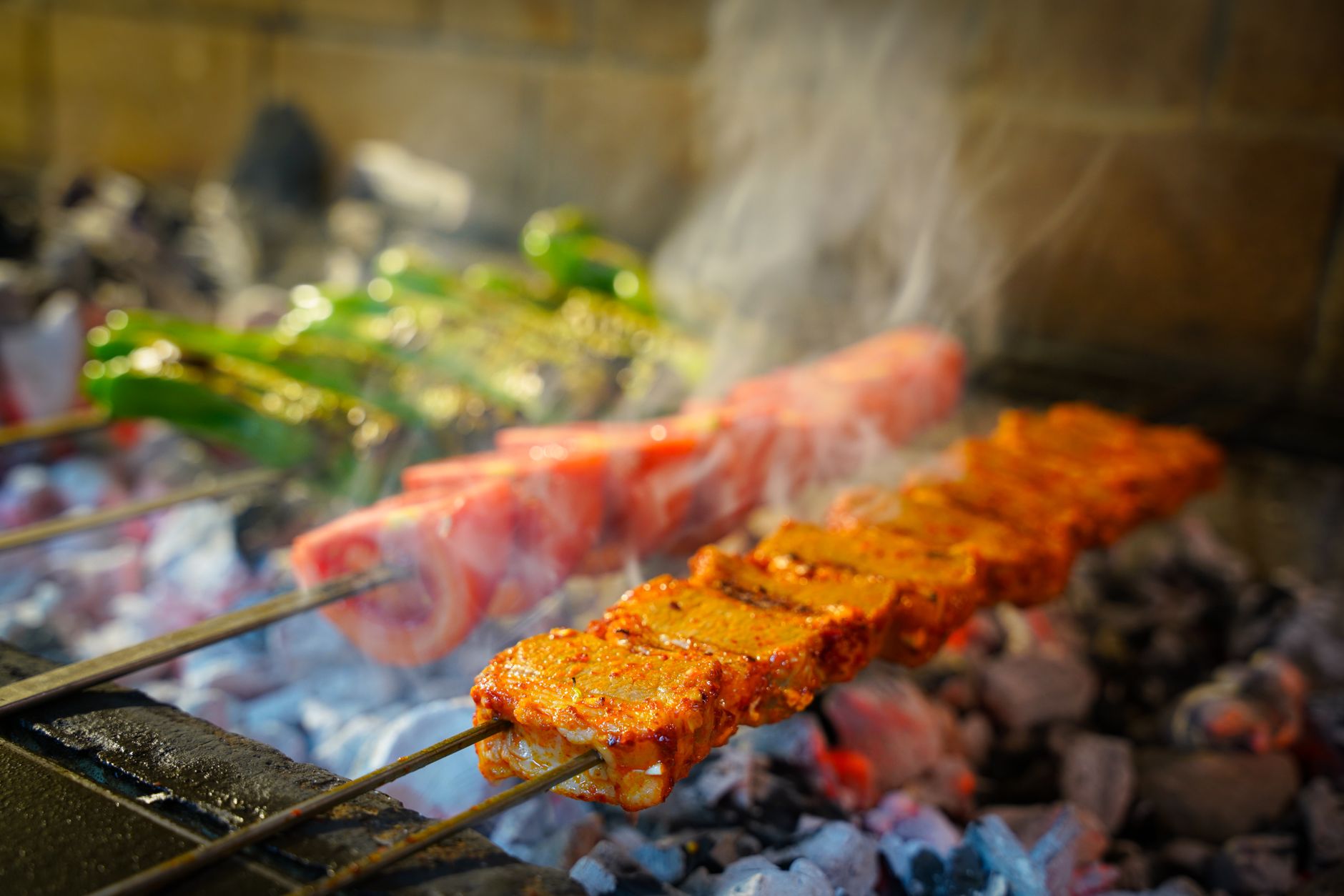
- Charcoal is Key: The best kebabs (like Adana or Urfa, minced meat skewers; or şiş kebab, cubed meat) are cooked over real charcoal, imparting a smoky flavor. If you do not see a grill, be wary. For excellent charcoal-grilled kebabs, try Dürümzade near Taksim.
- Fresh Ingredients: A true kebab meal is accompanied by fresh salads, good quality bread, and often a selection of pickles. The quality of these accompaniments is a good indicator of the overall standard of the establishment.
- Specialized Shops: Many places specialize in just one or two types of kebab. These are often the best, and discovering them is a rewarding part of following an Istanbul food guide. Look for a small, busy shop with a focused menu, often called a 'kebapçı'.
Practical Tips for Eating in Istanbul
These practical tips will help you make the most of your culinary journey, complementing everything else in this Istanbul food guide.
- Cash is King (Sometimes): While many larger establishments accept cards, smaller lokantas and street food vendors often prefer cash. Always carry some Turkish Lira. I usually aim to have ₺300-500 (approx. $10-17 USD / €9-16 EUR) cash on hand for street food and smaller purchases.
- Tipping: Tipping is customary, usually around 10% in sit-down restaurants if service isn't included. For quick street food, rounding up is common.
- Tea Everywhere: Expect to be offered tea (çay) before, during, and after meals. It is a sign of hospitality and an integral part of Turkish culture. Embrace it!
- Patience is a Virtue: Meals, especially breakfast and dinner, are meant to be enjoyed slowly. Embrace the relaxed pace; it’s part of the cultural experience.
- Do Not Fear Street Food: Istanbul's street food is generally safe and incredibly delicious. Just look for busy stalls with high turnover. If a local is eating there, it's usually a good sign.
- Bargaining: Not for restaurants, but if you are buying produce or goods in a market, a little friendly haggling is often expected, especially in the Grand Bazaar or Spice Bazaar. However, for food items in Kadikoy market, prices are usually fixed.
Istanbul is a city that truly demands to be explored with an open mind and an empty stomach. From the rich breakfast spreads to the late-night meyhane gatherings, every meal is an opportunity to connect with the city's soul. So, pack your bags, download your StrongeSIM Turkey eSIM, and prepare to write your own delicious chapter in Istanbul's culinary story. What hidden culinary gem will *you* discover first on your Istanbul food guide adventure?
Frequently asked questions
Read next
 Airalo vs Holafly vs StrongeSIM (2026 Comparison)Airalo vs Holafly is the classic travel eSIM matchup. Here is how they differ, and where StrongeSIM fits as a third option.
 Dolomites Hiking: Easy Trails & Cable Car Routes for Stunning ViewsExperience the breathtaking beauty of the Italian Dolomites without needing to be a seasoned mountaineer. This guide covers accessible Dolomites hiking trails, cable car routes, and essential tips for a memorable trip.
 The Cheapest Travel eSIM in 2026 (Without the Catch)Cheap eSIMs often hide a catch. Here is how StrongeSIM keeps prices genuinely low with a 0% markup, and how to compare fairly.
Heading somewhere specific? Compare prepaid and unlimited plans across 197 eSIM destinations, or read the eSIM setup guide before you fly.