Exploring the Albanian Riviera: A Guide Before It Changes
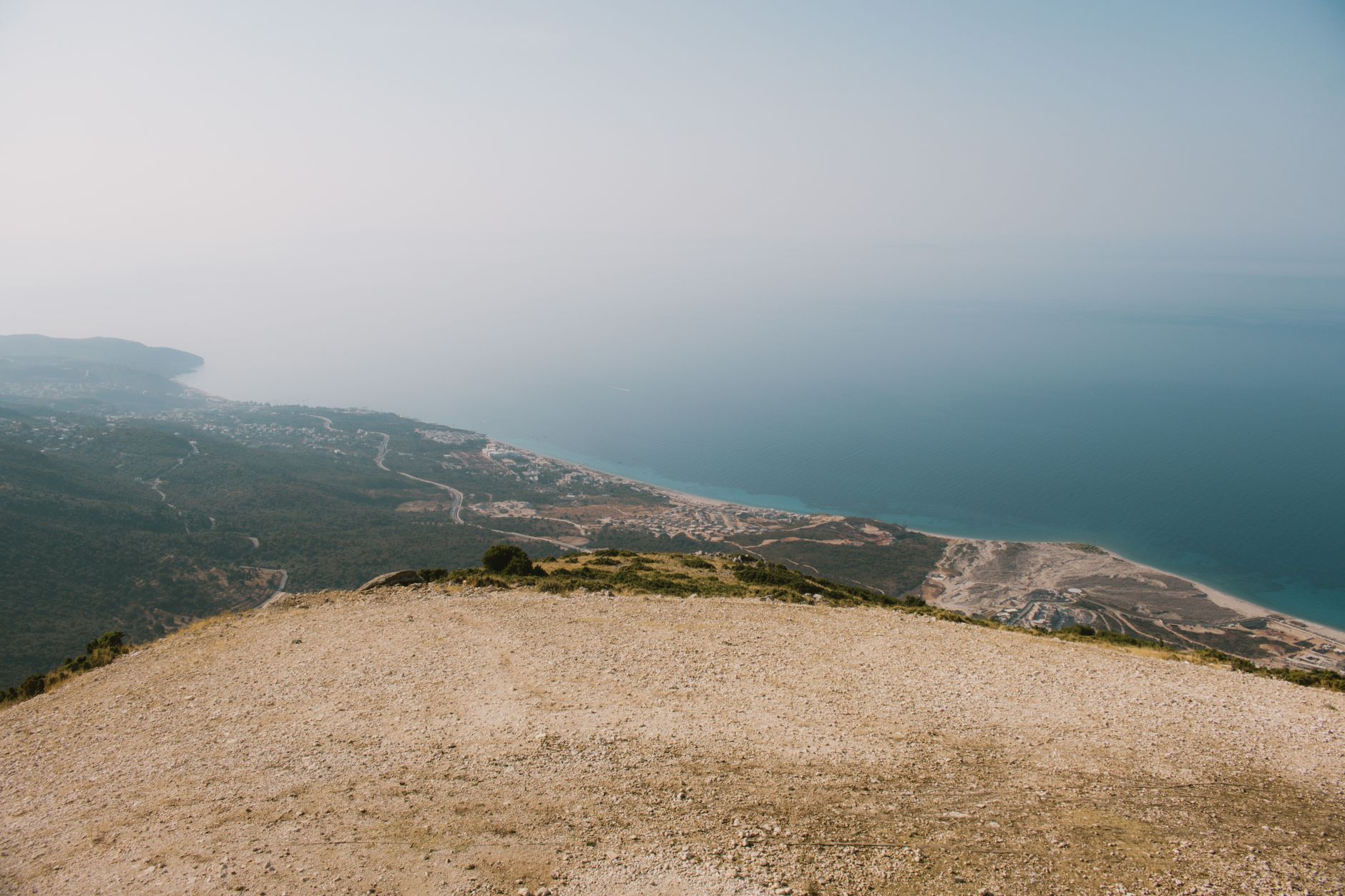
The Albanian Riviera is a secret that has been quietly leaking out for years, but it is still a place of raw, unpolished beauty, a stark contrast to its more developed Mediterranean neighbours. This stretch of Ionian coastline, from Vlore down to Saranda, offers dramatic mountains plunging into turquoise waters, ancient olive groves, and a string of beaches ranging from lively to utterly deserted. It is a destination on the cusp of significant change, making now the ideal time to experience the Albanian Riviera before it fully transforms.
Driving the Albanian Riviera: Vlore to Saranda
The heart of any trip to the Albanian Riviera is the coastal drive. Starting in Vlore and heading south towards Saranda, you will traverse SH8, a road that demands your full attention but rewards you with breathtaking panoramas. This journey is not just about getting from A to B, it is the experience itself, a winding ribbon of asphalt clinging to cliffsides, revealing new vistas around every bend.
Getting There and Getting Around
Most international travelers fly into Tirana International Airport (TIA) and then rent a car. The drive from Tirana to Vlore takes roughly two hours. Another option is flying into Corfu, Greece, and taking a ferry to Saranda, which is particularly convenient if you plan to focus on the southern end of the coast. For navigation and last-minute bookings on the road, reliable mobile data is essential. A Albania eSIM ensures you stay connected, letting you use GPS, check opening times, and find hidden gems without worrying about roaming bills.
The Road Itself: A Test of Nerves and Skill
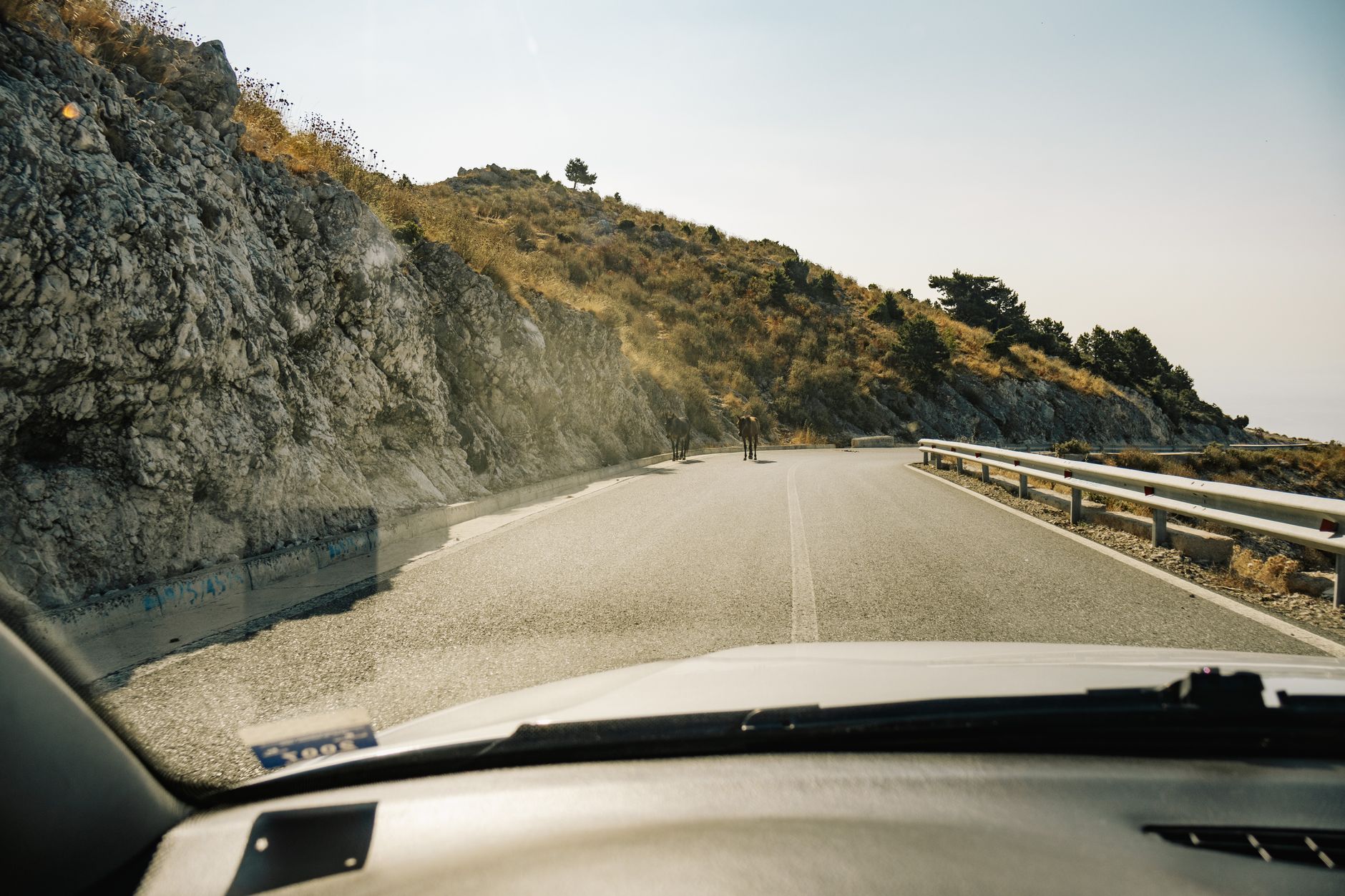
The coastal road, especially the section over the Llogara Pass, is not for the faint of heart. It is well-paved for the most part, but it is narrow, winding, and features numerous hairpin turns with sheer drops. Take your time, drive defensively, and be prepared for occasional livestock on the road. The views from the Llogara Pass, over 1,000 metres above sea level, are spectacular, offering sweeping panoramas of the Ionian Sea and the Karaburun Peninsula. There are several viewpoints and small cafes where you can stop for a coffee and soak it all in. In August, traffic can be considerable, so factor in extra travel time.
Coastal Gems: Which Beaches Are Worth the Descent?
The real treasures of the Albanian Riviera are its beaches. Each has a distinct personality, from buzzing resorts to secluded coves. The key is knowing what you are looking for.
Dhermi and Drymades: The Established Favorites
Dhermi and its neighbour, Drymades, are perhaps the most well-known beaches on the Albanian Riviera. Dhermi is a long stretch of white pebble beach with clear, deep blue water, backed by numerous beach clubs, guesthouses, and restaurants. It is lively without being overwhelming, offering a good balance of relaxation and atmosphere. Drymades, just to the north, has a slightly more bohemian vibe, with parts of its beach being sandier. Both are excellent choices for a few days, offering beautiful sunsets and good amenities.
Himara and Livadhi: Family-Friendly and Authentic
Himara is a charming town with a more authentic, less developed feel than Dhermi. Its main beach is pleasant and easily accessible, but the real draw is Livadhi Beach, just a short drive north. Livadhi is a wide, pebbly beach with incredibly clear water, perfect for swimming and snorkelling. It is popular with families and has a good selection of tavernas serving fresh seafood. The town of Himara itself, with its Venetian castle ruins overlooking the bay, is worth exploring.
Jale and Gjipe: For the Adventurous
Jale is a smaller, often busier bay known for its vibrant beach clubs and youthful energy. If you are looking for a party scene, Jale delivers. However, for a truly memorable experience, head to Gjipe Beach. This stunning cove is tucked away at the end of a canyon and is only accessible by a roughly 30-minute hike down a rocky path, or by boat from Jale. The effort is rewarded with pristine waters, towering cliffs, and a sense of secluded paradise. Pack water and good shoes for the hike.
Ksamil and Saranda: Southern Hubs
Further south, Ksamil offers a different kind of beauty, with its signature small islands just offshore, accessible by swimming or short boat rides. The beaches here are often sandy and shallow, making them very popular with families. Ksamil can get extremely crowded in peak season. Saranda, the largest city on the Albanian Riviera, serves as a bustling port and a convenient base for exploring the region's southern attractions, including the ancient city of Butrint, a UNESCO World Heritage site. Saranda itself has a lively promenade, but its city beaches are less appealing than the natural coves nearby.
Beyond the Coast: Inland Counterweights
While the beaches are undoubtedly the main draw, venturing inland offers a fascinating contrast and a deeper understanding of Albania's rich history and culture. Two 'museum cities' stand out.
Gjirokaster: The Stone City
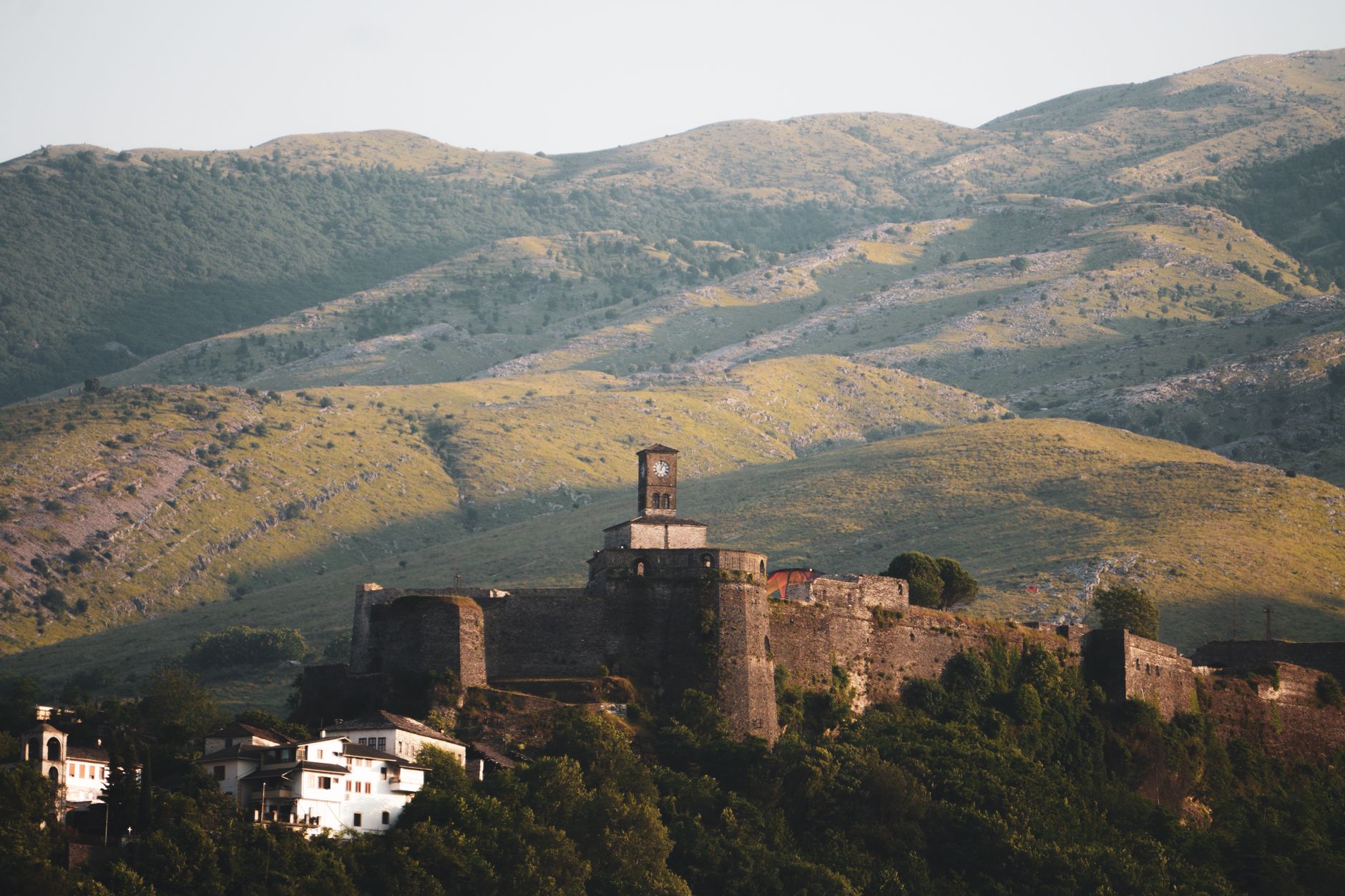
Just an hour's drive from Saranda, Gjirokaster is a UNESCO-listed marvel, a city of stone houses with slate roofs clinging to the side of a mountain. Its imposing castle, Ottoman-era bazaar, and the unique architecture of its historic dwellings, like the Skenduli House, make it feel like stepping back in time. Spend at least a night here to experience the atmospheric evenings and enjoy traditional Albanian cuisine. It offers a beautiful counterpoint to the coastal experience.
Berat: The City of a Thousand Windows
Further north, about two and a half hours from Vlore, lies Berat, another UNESCO World Heritage site. Known as 'The City of a Thousand Windows' due to its distinctive Ottoman houses with numerous windows stacked on top of each other, Berat is arguably one of Albania's most beautiful cities. Explore the Mangalem and Gorica quarters, linked by an old stone bridge, and climb up to the castle, which is still inhabited today. It is a rewarding detour for those with more time, offering a glimpse into Albania's Ottoman past.
Navigating the Seasons and the Crowds
Your experience of the Albanian Riviera will be heavily influenced by when you visit.
August: The Peak Season Reality
August is peak season, when many Albanians return home for holidays and Italian tourists flock across the Adriatic. Expect crowded beaches, full restaurants, and higher prices for accommodation. Traffic on the coastal road can be slow, and finding parking can be a challenge. If you must travel in August, book everything well in advance and be prepared for a lively, bustling atmosphere. The energy is infectious, but peace and quiet are harder to find.
Shoulder Seasons: May, June, September
For a more relaxed and equally beautiful experience, the shoulder seasons are ideal. May and June offer warm, sunny weather, blooming wildflowers, and fewer crowds. The sea is refreshing, and prices are generally lower. September is arguably the best month, with the sea still warm from summer, comfortable temperatures for exploring, and the majority of the summer crowds having departed. You will find more space on the beaches and a calmer pace of life.
Honest Cost Expectations for the Albanian Riviera
Albania remains one of Europe's most affordable travel destinations, though prices on the Albanian Riviera are creeping up, especially in peak season. It is still possible to travel on a budget, but a mid-range budget will afford you much more comfort.
Accommodation and Food
You can find a simple guesthouse or apartment for €30-€50 a night outside of August. Mid-range hotels typically cost €60-€100. Eating out is very reasonable, with a delicious pizza or pasta dish costing around €6-€10, and a fresh seafood meal ranging from €12-€20. Coffees are usually €1-€2, and a local beer is similar. Street food, like 'byrek' (a savory pastry), is incredibly cheap and satisfying.
Activities and Transport
Car rental can range from €25-€40 per day depending on the season and car type. Fuel prices are comparable to Western Europe. Entrance fees to sites like Butrint are typically a few euros, and boat trips to secluded coves or islands might cost €10-€20 per person. Overall, a daily budget of €50-€80 per person, excluding car rental, allows for comfortable travel, good food, and some activities.
Practical Tips for Your Trip
- **Currency:** The local currency is the Albanian Lek (ALL). Euros are widely accepted in tourist areas, but you will often get a better rate paying in Lek.
- **Language:** Albanian is the official language. English is spoken in tourist areas, especially by younger generations. Learning a few basic Albanian phrases like 'Përshëndetje' (hello) and 'Faleminderit' (thank you) is always appreciated.
- **Safety:** Albania is generally a safe country for tourists. Exercise normal precautions, especially in crowded areas. Roads can be challenging, so drive carefully.
- **Water:** Tap water is generally not safe to drink. Stick to bottled water.
- **Electricity:** Standard European two-pin plugs (Type C and F) are used. Voltage is 230V.
The Albanian Riviera is a destination that rewards independent travelers willing to embrace a little adventure. It offers stunning natural beauty, a rich history, and a welcoming culture, all at a fraction of the cost of its more famous neighbours. Go now, before the secret is entirely out and the landscape changes forever.
Frequently asked questions
Read next
 Troubleshooting eSIM Activation Android: Common Fixes & Expert TipsIf your eSIM activation Android isn't going smoothly, don't panic. This expert guide tackles the most frequent issues and provides model-specific solutions, along with first-hand tips.
 How to Transfer eSIM to a New Phone: iPhone & Android GuideUpgrading your phone? Our StrongeSIM expert shares first-hand tips on how to transfer eSIM profiles for both iPhone and Android, covering carrier and travel eSIMs.
 Unlocking the Iceland Ring Road: How Many Days You Actually NeedMany travelers underestimate the time needed for Iceland's iconic Ring Road. Find out how many days you actually need to drive the Iceland Ring Road and truly savor the experience.
Heading somewhere specific? Compare prepaid and unlimited plans across 197 eSIM destinations, or read the eSIM setup guide before you fly.