Getting Reliable Internet in Barcelona: A Local's Guide
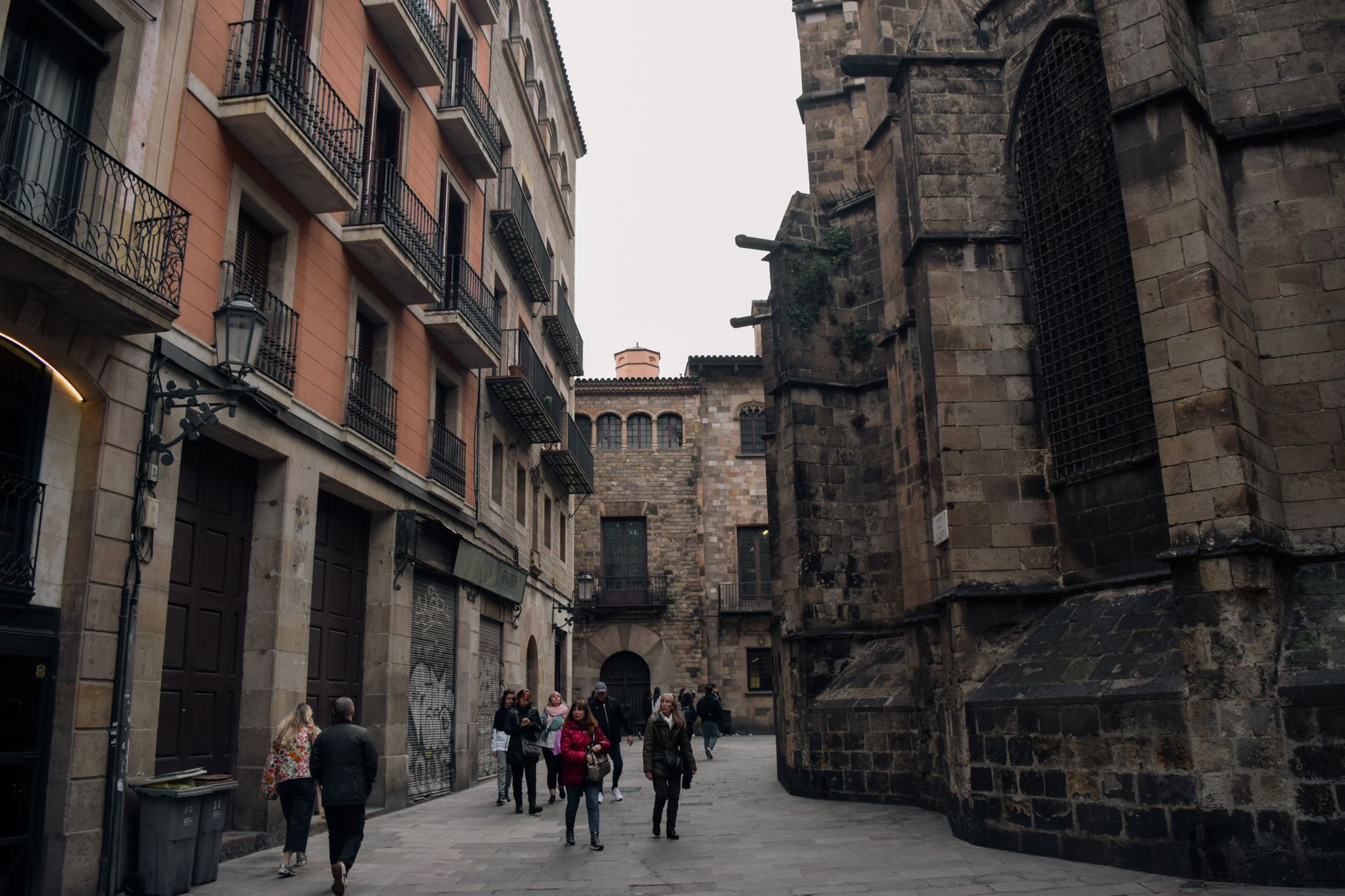
Barcelona is a city that thrives on discovery, from the hidden alleyways of the Gothic Quarter to Gaudí's fantastical creations and the sun-drenched beaches of Barceloneta. But to truly unlock its magic, you need reliable internet in Barcelona. Trust me, trying to find your way to a tapas bar in El Born without Google Maps, or checking your Sagrada Familia ticket time when you're already in line, is a recipe for frustration. Good connectivity isn't just a convenience here, it's an essential tool for a smooth, enjoyable trip.
Why Reliable Internet in Barcelona is Non-Negotiable
Imagine trying to navigate the sprawling Park Güell without an audio guide app, or realizing too late that you needed to book your Picasso Museum entry days in advance. These are real-world scenarios where solid internet access saves the day. Beyond the basics of sharing photos with friends and family, having constant connectivity means you can:
- **Navigate with Confidence:** Google Maps is your best friend for understanding the metro system, finding that obscure independent boutique, or getting home late at night.
- **Book On The Go:** Many popular attractions, like Sagrada Familia and Casa Batlló, require timed entry tickets booked online. Trying to do this with spotty Wi-Fi is asking for trouble. Even restaurant reservations are increasingly digital.
- **Stay Safe:** Quick access to emergency services, translation apps, or ride-sharing if you're out late can offer peace of mind.
- **Access Digital Tickets & Guides:** From the TMB app for public transport routes to the official Sagrada Familia app with its invaluable audio tour, your phone becomes a crucial guide.
Your Options for Staying Connected
Public Wi-Fi: A Mixed Bag
Barcelona does offer a city-wide public Wi-Fi network, aptly named 'Barcelona WiFi'. You'll find hotspots in many public squares, parks, and around key tourist areas. It's free to use, but the speeds are often quite slow, barely sufficient for checking emails or light browsing. I wouldn't rely on it for anything critical like booking timed tickets or video calls. Think of it as a last resort.
Cafes and restaurants are another story. Many offer free Wi-Fi, especially in neighborhoods like Gràcia or Eixample. Look for a sticker in the window or just ask for the password. The quality varies wildly, though. Some spots have blazing fast connections, others are barely functional. Always be mindful of security when using public Wi-Fi, especially for sensitive transactions. A quick search for 'Barcelona WiFi' on the Barcelona City Council website can show you where the official hotspots are.
Local SIM Cards: The Traditional Route
If you prefer a physical SIM, you can easily pick one up. Major providers like Vodafone, Orange, and Movistar have stores all over the city, and you'll find kiosks at Barcelona-El Prat Airport (BCN) and Estació de Sants train station. You'll typically need your passport for registration. Prices for a tourist SIM with a decent amount of data (say, 10-20GB for a month) usually range from €15-€30. It's a solid option, but it does mean swapping out your home SIM, and potentially dealing with a foreign phone number for calls.
eSIMs: The Modern Traveler's Choice
For travelers who want to hit the ground running without hunting for a SIM card or dealing with language barriers, an eSIM for Spain offers instant connectivity the moment you land, letting you use your phone for crucial navigation or booking apps without missing a beat. The beauty of an eSIM is that it downloads digitally to your phone, so you keep your physical SIM for your home number, meaning no missed calls or texts from friends and family. Activation is usually a breeze, often just a QR code scan.
When it comes to data sizing, for a typical 3-5 day city break in Barcelona, I find that 5GB is usually more than enough for navigation, social media, checking emails, and light browsing. If you plan on heavy video streaming or hotspotting to other devices, consider a 10GB plan. Plans often start around $3.50, making it a very cost-effective way to get reliable internet in Barcelona.
Connectivity Where You Need It Most
On the Move: Metro and Buses
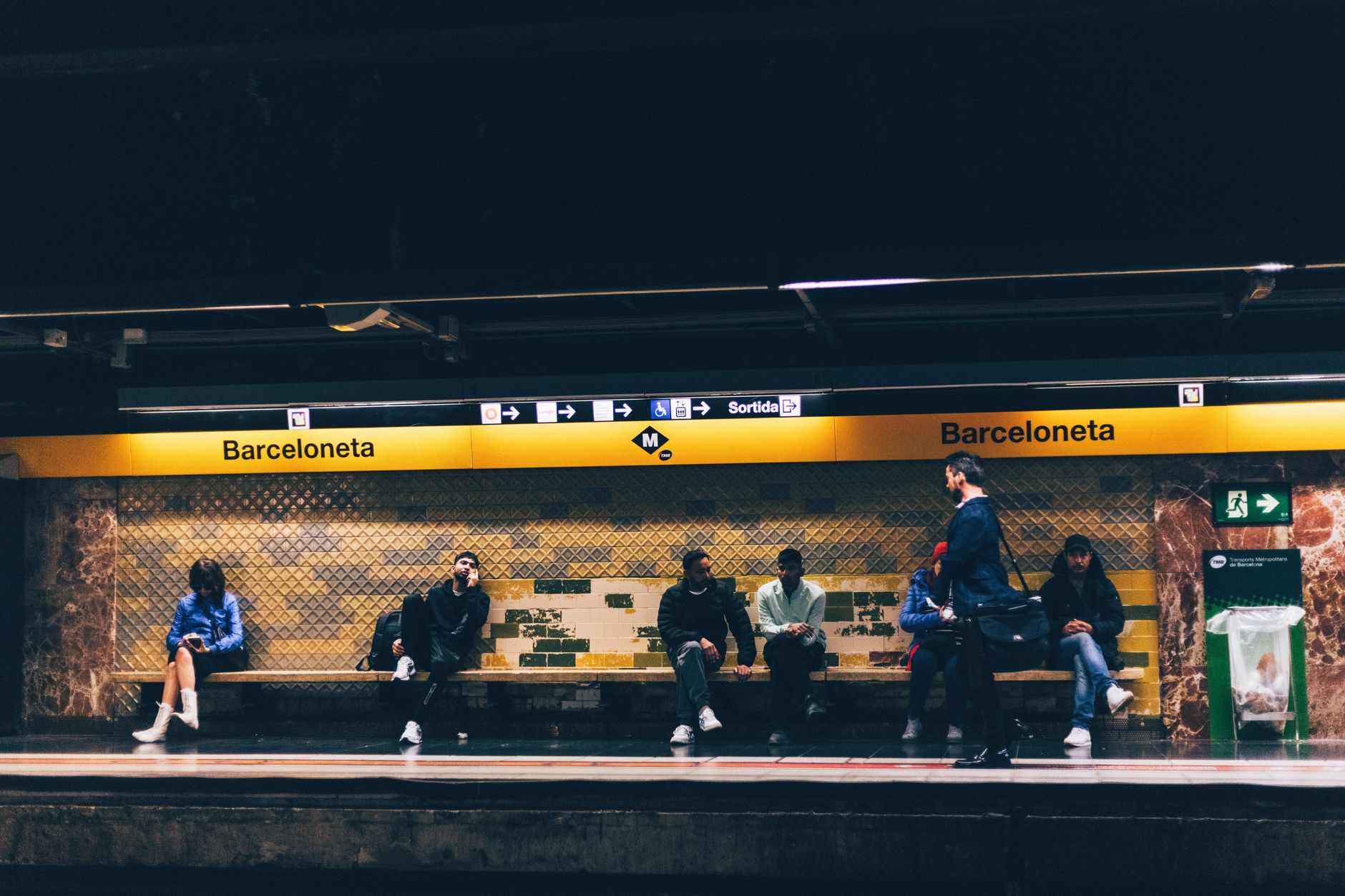
Barcelona's metro system is excellent, but cellular coverage can be a bit hit-or-miss. You'll generally have good signal in the stations and often on the platforms, but it can drop out in the tunnels between stops. Don't rely on being able to stream a movie on your commute. Buses, however, tend to have consistent cellular coverage throughout the city. I always recommend downloading the official TMB App for real-time route planning; it's invaluable.
By the Sea: Barceloneta and Beyond
Heading to Barceloneta Beach, Bogatell, or further north to Nova Icària? You'll generally find strong cellular signal along the coast. Many of the chiringuitos (beach bars) also offer Wi-Fi, which can be handy if you're settling in for a few hours. Just be extra vigilant with your phone on the beach, as it's a known hotspot for opportunistic theft. Never leave it unattended.
Inside Museums and Attractions
Most major attractions, like the Sagrada Familia, Park Güell, and the Picasso Museum, offer free Wi-Fi for visitors. This is particularly useful for downloading official audio guides or accessing your digital tickets. For instance, the Sagrada Familia's official app is fantastic, providing deep insights into Gaudí's masterpiece, but it requires an internet connection to download initially. Confirming your booking through the Sagrada Familia official website is also best done before you arrive.

Staying Safe with Your Phone
Barcelona is a vibrant, generally safe city, but like any major tourist destination, it has its share of pickpockets. They are particularly active in crowded areas like Las Ramblas, the Gothic Quarter, and on busy metro lines. Keep your phone out of sight when not in use. Avoid walking with your phone out, especially near street artists or buskers, as these can be distractions.
When you do need to use your phone for navigation, step into a doorway or a less crowded spot. Consider a phone tether or a cross-body bag that keeps your phone secure and close to your body. Back up your photos and important documents regularly to cloud storage; it's a small step that can save a lot of heartache.
Practical Tips for Your Barcelona Trip
To make the most of your visit, and ensure your internet in Barcelona serves you well, remember these few things:
- **Book Ahead, Always:** For popular sites like Sagrada Familia, Park Güell, and Casa Batlló, buying tickets online days (or even weeks) in advance is crucial to secure your spot and skip long lines. Don't wait until you're at the entrance.
- **Leverage Google Maps Offline:** While having live data is ideal, download offline maps of Barcelona before you go. This can be a lifesaver if you temporarily lose signal or want to conserve data.
- **Embrace the Siesta (for businesses):** Many smaller shops and some restaurants, especially outside the main tourist hubs, still close for a siesta in the afternoon (roughly 2 PM to 5 PM). Check opening hours online before you venture out.
- **Tipping Culture:** Tipping isn't as prevalent in Spain as in some other countries. Rounding up your bill or leaving a euro or two for good service in a cafe is appreciated, but not expected. You won't need to factor in Wi-Fi access when deciding to tip.

Barcelona is a city that rewards exploration and spontaneity, but a little planning, especially around your connectivity, goes a long way. Having reliable internet in Barcelona means you're free to immerse yourself in the culture, history, and incredible food without worrying about getting lost or missing out. It truly transforms your trip from good to great.
Frequently asked questions
Read next
 How to Set Up Your eSIM on Motorola for Seamless TravelSetting up an eSIM on Motorola phones is straightforward, especially for travelers looking for flexible data. This guide walks you through the process.
 Set Up Your eSIM on Honor: A Step-by-Step GuideGetting an eSIM on Honor devices is a straightforward process once you know the specific steps. This guide walks you through setting up your travel data.
 How to Check eSIM Data Usage on Your PhoneKnowing how to check eSIM data usage is crucial for travelers to avoid running out of data or facing unexpected charges. This guide helps you track it.
Heading somewhere specific? Compare prepaid and unlimited plans across 197 eSIM destinations, or read the eSIM setup guide before you fly.