Where to Stay in Tokyo: First-Timer's Neighborhood Guide
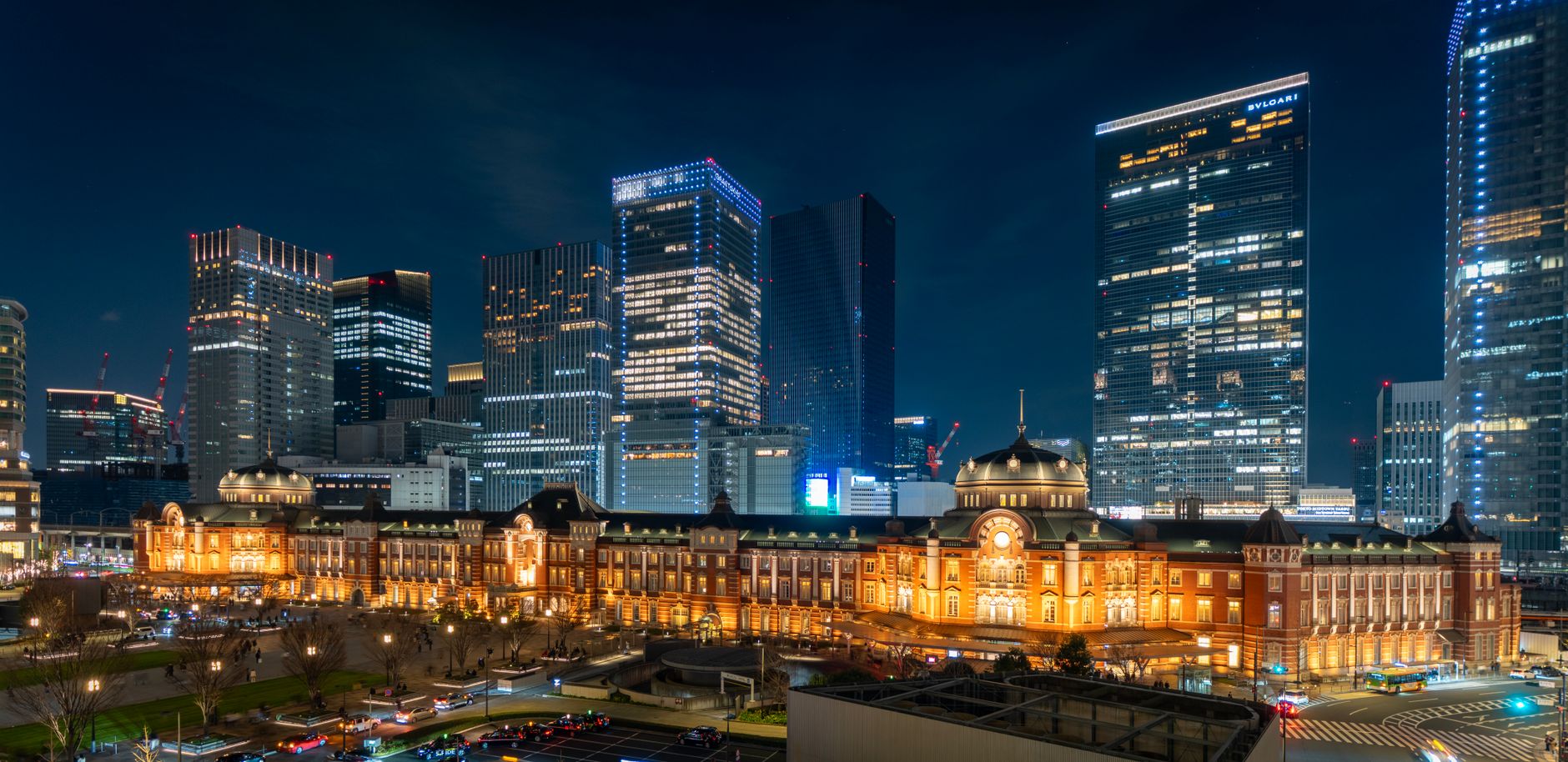
Tokyo is an electrifying city, a vibrant tapestry of ancient traditions and futuristic innovation. As someone who has spent months immersing myself in its diverse districts, I've uncovered the essential truths about navigating its vastness. For first-timers, the question of exactly where to stay Tokyo can feel overwhelming. Forget simply staying near a landmark; the real secret to a seamless first trip is understanding Tokyo's unparalleled transport network and choosing a base that unlocks the city efficiently. This guide cuts through the noise, offering specific, actionable insights from my deep experience to help you pinpoint the perfect neighborhood for your unforgettable Tokyo adventure.
Your Tokyo Compass: The Yamanote Line
Before we dive into neighborhoods, let's talk about your best friend in Tokyo: the Yamanote Line. This iconic green JR (Japan Railways) loop line circles Tokyo's major urban hubs, connecting places like Shinjuku, Shibuya, Tokyo Station, Ueno, and Ikebukuro. Think of it as the city's main artery. Being within a 5-10 minute walk of a Yamanote Line station is a huge advantage, as it simplifies travel immensely, often eliminating the need for complex transfers.
This is where a reliable Japan eSIM becomes invaluable; having constant, fast data for Google Maps on the Yamanote Line means you'll always know your exact stop and transfer points, making complex Tokyo navigation feel effortless. I've personally found that the ease of hopping onto the Yamanote Line makes exploring so much less stressful. Understanding the Yamanote Line is key to understanding where to stay Tokyo effectively.
While other subway lines are excellent and will take you to many fascinating spots, the Yamanote Line offers a consistent, easy-to-understand mental map of the city. If you have a JR Pass, it's also covered, saving you money on individual fares. Prioritize proximity to a Yamanote station over a specific landmark. A quiet side street near a bustling station is often better than a hotel right next to a tourist hotspot, which might lack convenient transport.
Where to Stay Tokyo: Neighbourhood Showdown
Let's explore five popular Tokyo neighborhoods, comparing them across the factors that matter most for a first-timer: train access, late-night food and nightlife, quiet at night, and price. This guide will help you pinpoint the ideal location for your first adventure, making the decision of where to stay Tokyo much clearer.
Shinjuku: The Electric Metropolis
Shinjuku is what many picture when they think of modern Tokyo: towering skyscrapers, dazzling neon, and an endless buzz. If you're wondering where to stay Tokyo for unparalleled connectivity and vibrant nightlife, Shinjuku is a prime candidate. Shinjuku Station is the busiest in the world, a colossal hub for multiple JR and subway lines, including the Yamanote. This means unparalleled connectivity to virtually anywhere in Tokyo. I remember my first night in Shinjuku, navigating the neon labyrinth and ending up in Omoide Yokocho. The smoky aroma of yakitori led me to a tiny stall, 'Yakitori Tatsukichi,' where I savored some of the best grilled chicken skewers I've ever had, just a short walk from Shinjuku Station's East Exit.
- Train Access: Unbeatable. Shinjuku Station is a gateway to the entire city and beyond.
- Late-Night Food & Nightlife: Legendary. From the tiny, atmospheric bars of Golden Gai to the yakitori stalls of Omoide Yokocho (Piss Alley) and countless izakayas, Shinjuku stays awake late. Department store food halls (depachika) also offer gourmet options until closing.
- Quiet at Night: Generally not. While specific hotels might offer good soundproofing, the area itself is a hive of activity until the last trains run, and often beyond. Expect ambient city noise.
- Price: Mid-range to high. Budget capsule hotels can be found from ¥3,000-¥6,000; business hotels like the Hotel Gracery Shinjuku (the 'Godzilla Hotel') range from ¥12,000-¥25,000; luxury hotels such as the Park Hyatt Tokyo often start from ¥40,000+.
Beyond the trains and nightlife, Shinjuku offers the serene Shinjuku Gyoen National Garden, panoramic city views from the free Tokyo Metropolitan Government Building observatories, and world-class shopping at Isetan and Takashimaya. It's an excellent choice if you want to be in the thick of things and value convenience above all, making it a top contender for where to stay Tokyo.
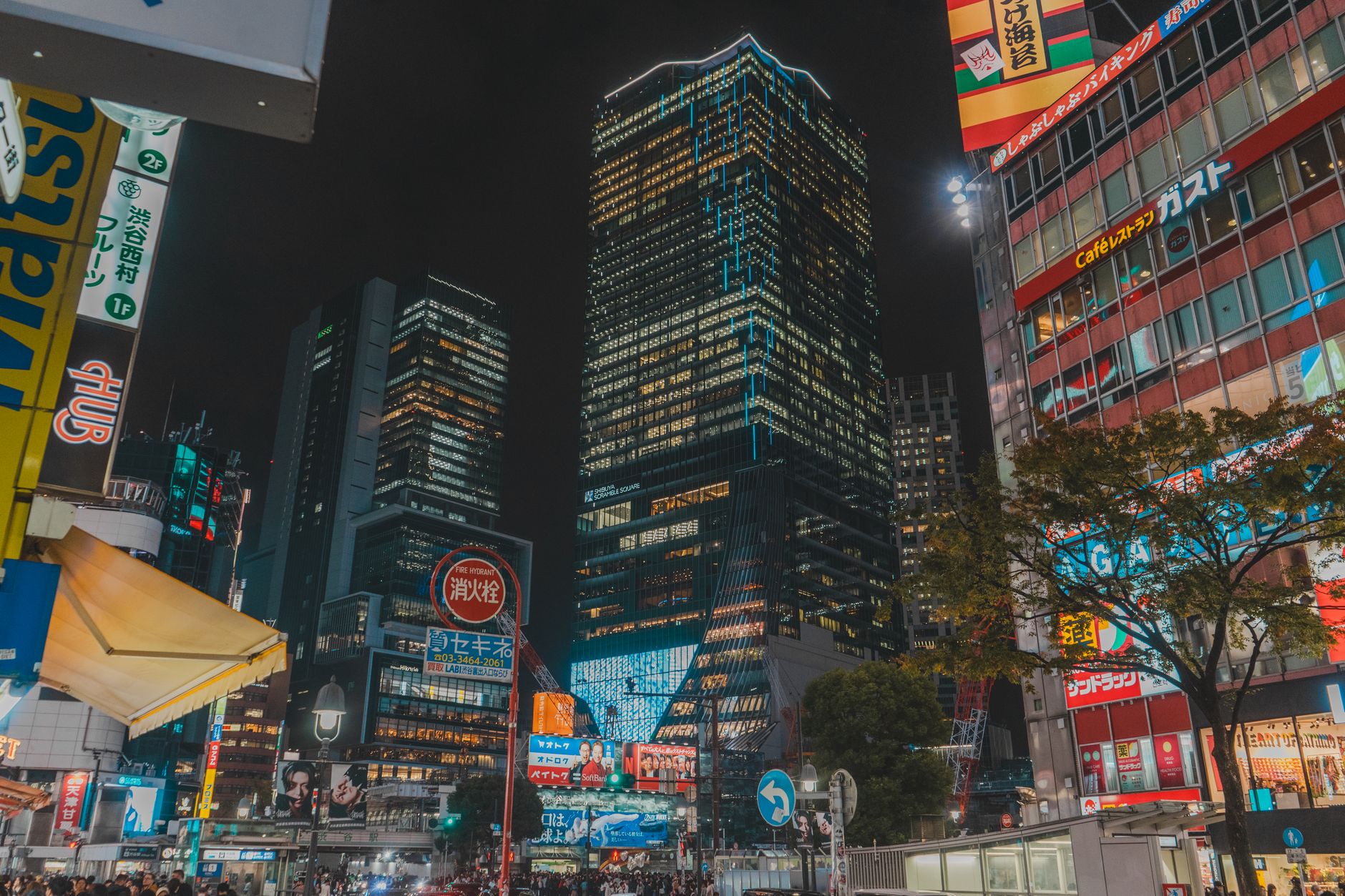
Shibuya: Youthful Energy and Iconic Crossings
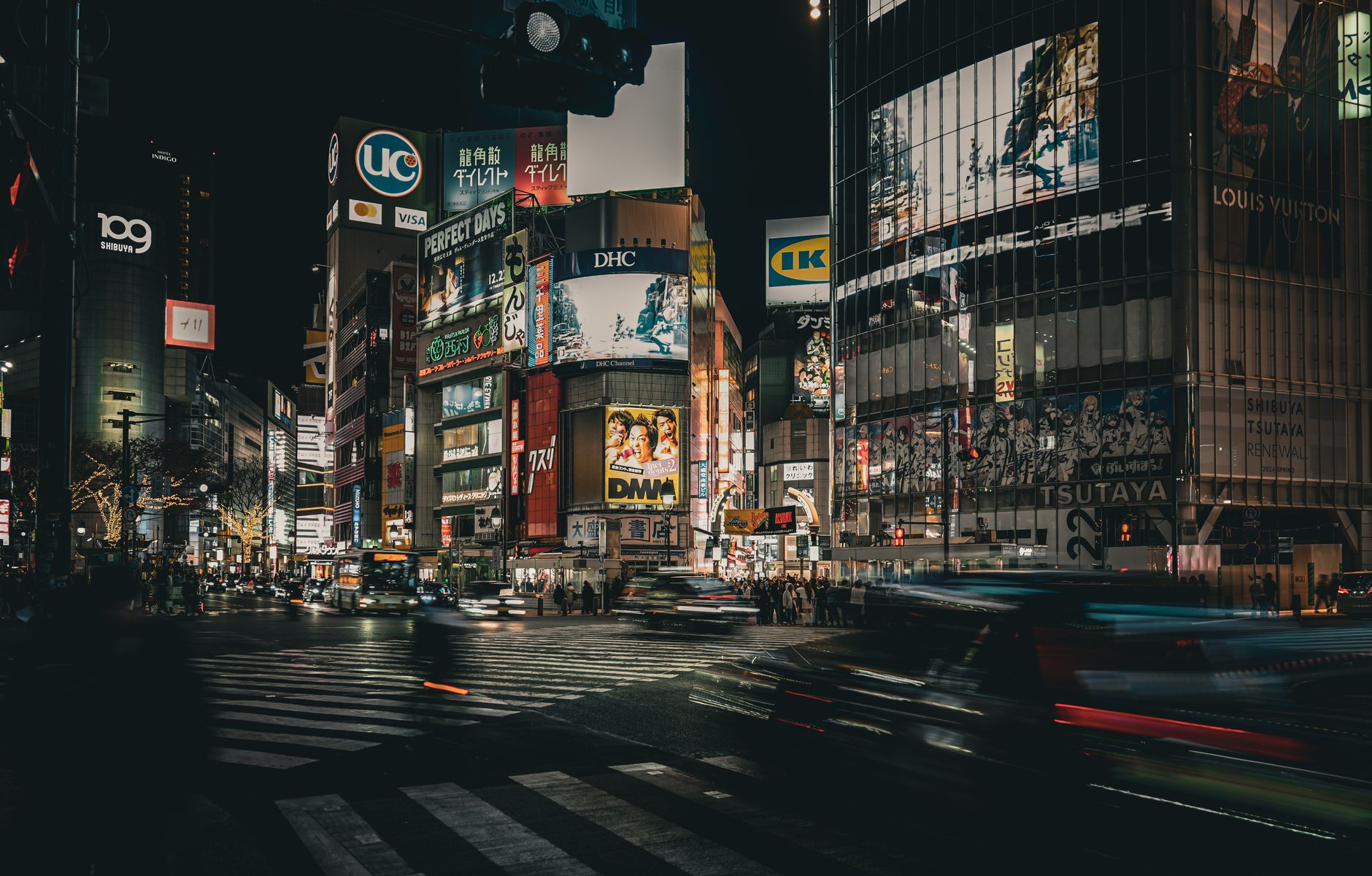
Shibuya is synonymous with youth culture, fashion, and the famous 'Scramble Crossing.' For those seeking a lively, central base, it's an excellent option for where to stay Tokyo. Like Shinjuku, it's a major Yamanote Line stop and a hub for several other train and subway lines, making it incredibly well-connected. I always make a point to grab a coffee at the Starbucks overlooking the Scramble Crossing – it's the ultimate people-watching spot, and after countless visits, it still mesmerizes me with its organized chaos.
- Train Access: Excellent. Another major Yamanote Line station with extensive connections.
- Late-Night Food & Nightlife: Very lively. Shibuya offers trendy izakayas like those found in Nonbei Yokocho (Drunkard's Alley), vibrant clubs in Dogenzaka, and unique cafes in Shibuya Stream, catering to a younger crowd. Plenty of casual eateries stay open late.
- Quiet at Night: Lively. The area around the station and crossing is perpetually busy. Hotels further from the main thoroughfares might offer more peace, but it's still a buzzing district.
- Price: Mid-range to high. Budget options are rare, but you'll find business hotels like Shibuya Excel Hotel Tokyu from ¥15,000-¥30,000, and boutique luxury stays like the Cerulean Tower Tokyu Hotel from ¥35,000+.
Shibuya is perfect for those who want to be at the pulse of modern Tokyo, enjoy people-watching, and have easy access to shopping and trendy eateries. The Hachiko statue is a popular meeting spot, and the views of the crossing from various cafes are iconic. It's a vibrant answer to the question of where to stay Tokyo for those seeking constant stimulation.
Asakusa: Old Tokyo Charm
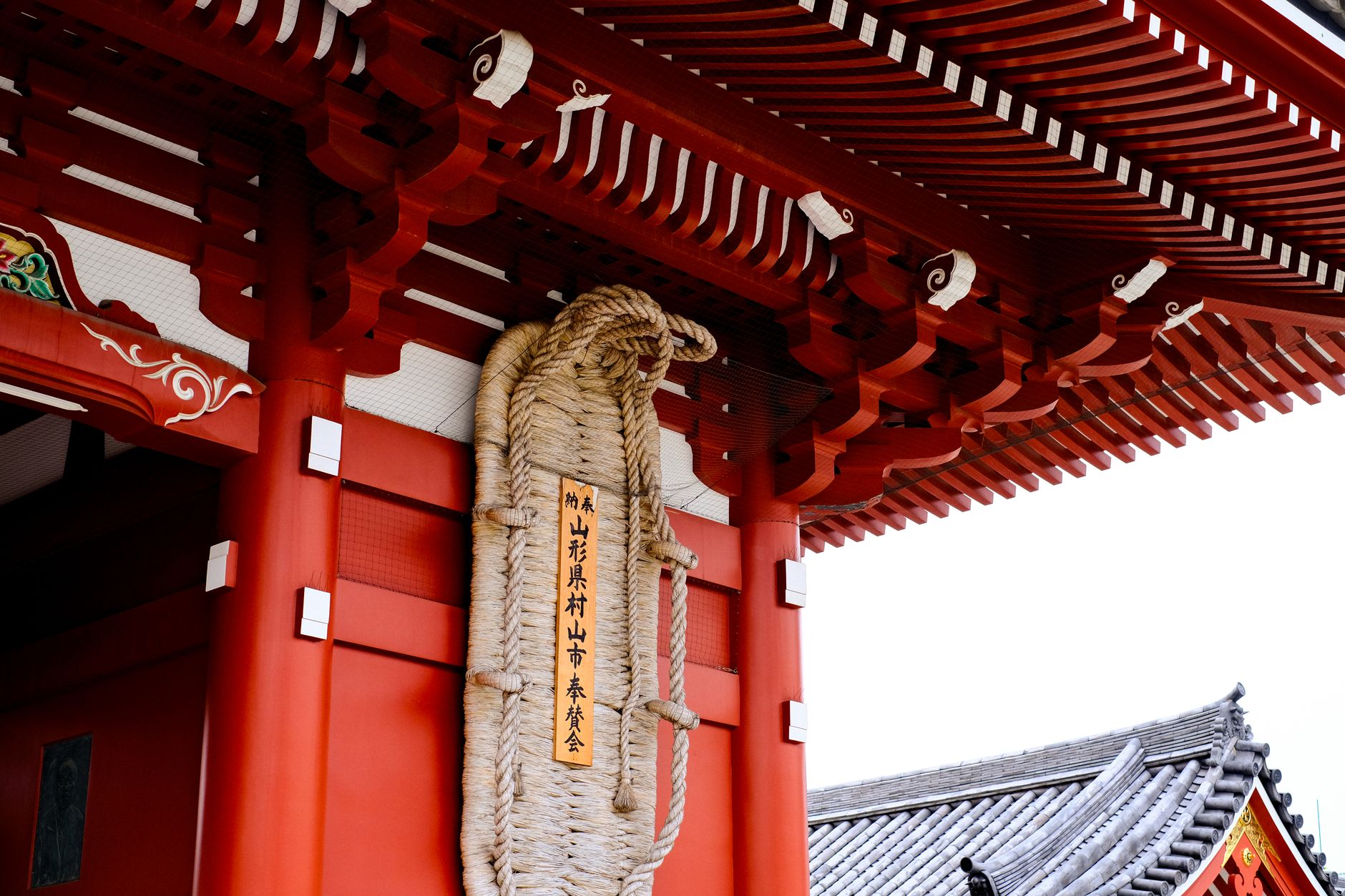
For a taste of traditional Tokyo, Asakusa is your spot. When deciding where to stay Tokyo for cultural immersion and a calmer pace, Asakusa shines. Home to the magnificent Senso-ji Temple, Tokyo's oldest temple, this area feels like a step back in time with its Edo-era atmosphere, traditional shops, and rickshaws. The first time I visited Senso-ji, I was struck by how genuinely peaceful it felt, a stark contrast to Shibuya's energy. I found a small mochi shop off Nakamise-dori that made fresh, warm mochi, a perfect quiet moment amidst the crowds.
- Train Access: Good, but not on the Yamanote Line. Asakusa is served by the Ginza, Asakusa, and Tobu Skytree lines, offering direct connections to Ginza, Shibuya, and Ueno. From Asakusa, expect a 20-25 minute journey to Shinjuku with one transfer at Ueno or Ginza, making it easily accessible for day trips. To Shibuya, it's roughly 30 minutes with one transfer.
- Late-Night Food & Nightlife: Quieter. While there are plenty of excellent traditional restaurants, izakayas, and street food stalls (especially around Nakamise-dori during the day), the area winds down considerably after dark compared to Shinjuku or Shibuya.
- Quiet at Night: Yes. After the temple crowds disperse, Asakusa becomes genuinely peaceful, offering a calm retreat from the city's intensity.
- Price: Budget-friendly to mid-range. You'll find some of the best value accommodations here, with guesthouses and hostels from ¥2,500-¥5,000, and mid-range business hotels like The Gate Hotel Kaminarimon by Hulic from ¥8,000-¥18,000.
Asakusa is ideal for those seeking a cultural immersion, a more relaxed pace, and a chance to explore traditional crafts and cuisine. It also offers fantastic views of the Tokyo Skytree. While not on the Yamanote, its direct subway lines make it quite accessible, just plan for an extra transfer for some destinations. It's a wonderful choice for where to stay Tokyo if you crave history and serenity.
Ginza: Upscale Elegance
Ginza is Tokyo's premier luxury shopping district, known for its high-end boutiques, department stores (like Ginza Six and Mitsukoshi), art galleries, and sophisticated dining. For a sophisticated and upscale experience, consider Ginza as your answer to where to stay Tokyo. It's a polished, elegant area with a distinctly refined atmosphere. I love to wander Ginza's backstreets on a Sunday when the main Chuo-dori is pedestrianized. It's a fantastic spot for window shopping and discovering hidden art galleries, and I once caught an incredible Kabuki performance at the Kabuki-za Theatre, an experience I highly recommend.
- Train Access: Excellent subway access. Ginza Station is a major hub for the Ginza, Marunouchi, and Hibiya subway lines, connecting it directly to many key areas. It's also a short walk to Yurakucho Station on the Yamanote Line. You can reach Shibuya in about 15 minutes directly on the Ginza Line, or Shinjuku in about 18-20 minutes with a single transfer at Tokyo Station or directly on the Marunouchi Line.
- Late-Night Food & Nightlife: Sophisticated. Expect high-end restaurants, cocktail bars, and Michelin-starred establishments. Casual late-night food is less common here.
- Quiet at Night: Surprisingly quiet. Despite its central location and daytime bustle, Ginza becomes quite serene after shops close, especially on its side streets.
- Price: High to very high. Ginza is one of Tokyo's most expensive areas for accommodation and dining, reflecting its luxury status. Expect business hotels to start from ¥20,000, and luxury establishments like The Peninsula Tokyo or Imperial Hotel from ¥40,000-¥80,000+.
Ginza is best suited for travelers who appreciate luxury, fine dining, and a more refined urban experience. It's also home to the Kabuki-za Theatre, offering traditional Japanese performing arts. If budget isn't a primary concern, Ginza provides a comfortable and convenient base, an elegant answer to where to stay Tokyo.
Nakameguro: Hip, Chic, and Local
Nakameguro offers a different side of Tokyo: a trendy, slightly bohemian neighborhood centered around the picturesque Meguro River. If a hip, local vibe is what you seek, Nakameguro is an intriguing choice for where to stay Tokyo. It's known for its independent boutiques, stylish cafes, and excellent restaurants, popular with locals and those seeking a more relaxed, residential vibe. Nakameguro quickly became one of my favorite neighborhoods for an evening stroll. There's a particular ramen shop I adore, Afuri, known for its yuzu ramen – it's a perfect, comforting meal after exploring the boutiques.
- Train Access: Good, but off the Yamanote Line. Nakameguro Station is on the Tokyu Toyoko Line (direct to Shibuya) and the Tokyo Metro Hibiya Line (direct to Ginza, Ueno). From Nakameguro, you can reach Shibuya directly in just 5-7 minutes via the Tokyu Toyoko Line. To Shinjuku, it's about 20-25 minutes with one easy transfer at Shibuya.
- Late-Night Food & Nightlife: Vibrant but laid-back. Plenty of unique restaurants and cozy bars stay open, but it's more about intimate dining and drinks than bustling clubs. It's a fantastic area for a sophisticated dinner.
- Quiet at Night: Very quiet. This is primarily a residential area, so once the restaurants close, the streets become very peaceful.
- Price: Mid-range to high. Accommodation options are fewer and tend to be boutique. Expect guesthouses from ¥7,000-¥12,000 and stylish boutique hotels from ¥18,000-¥35,000.
Nakameguro is perfect for repeat visitors or those who prioritize a local, stylish atmosphere over being in the absolute center of tourist action. It's particularly stunning during cherry blossom season, when the river banks are lined with pink. It's a great choice for where to stay Tokyo.
Quick Picks for Your First Tokyo Trip
- For the Buzz & Convenience: Shinjuku or Shibuya. Unbeatable transport, endless dining, and vibrant nightlife.
- For Culture & Calm: Asakusa. Traditional charm, historic temples, and a peaceful atmosphere after dark.
- For Luxury & Refinement: Ginza. High-end shopping, sophisticated dining, and elegant surroundings.
- For Local & Chic: Nakameguro. Trendy boutiques, stylish cafes, and a relaxed, residential vibe.
Making Your Final Decision
Choosing where to stay Tokyo is more than just booking a hotel; it's about setting the stage for your entire travel experience. Ultimately, the best place to stay in Tokyo depends on your travel style and priorities. If you thrive on constant activity and want ultimate transport convenience, Shinjuku or Shibuya are hard to beat. If culture and quiet evenings are more your speed, Asakusa offers a charming alternative. Ginza caters to a luxury experience, while Nakameguro provides a trendy, local escape. Each offers a distinct flavor of this incredible city. Armed with this guide, you're now ready to confidently decide where to stay Tokyo and make the most of your adventure.
Remember to book your accommodation well in advance, especially if you're traveling during peak seasons like cherry blossom (late March to early April) or autumn foliage (November). No matter where you choose to establish your base, Tokyo promises an unforgettable experience. Enjoy your trip!
Frequently asked questions
Read next
 Fix Your Slow Data Abroad: Real-World Solutions for TravelersIf you're experiencing painfully slow data abroad, don't panic. This guide provides immediate, actionable steps to troubleshoot and fix your mobile internet connection with real-world examples.
 Navigating the Marrakech Souks: Your StrongeSIM Traveler's GuideI still remember my first time in the Marrakech souks. This first-hand guide, born from my own experiences, will help you unlock their magic, haggle like a local, and discover treasures.
 Mastering Your Dual SIM Settings: No More Roaming SurprisesNo more accidental roaming! This guide, built on real-world travel, helps you master your dual SIM settings to ensure your calls, texts, and data always use the correct line, saving you stress and money.
Heading somewhere specific? Compare prepaid and unlimited plans across 197 eSIM destinations, or read the eSIM setup guide before you fly.